
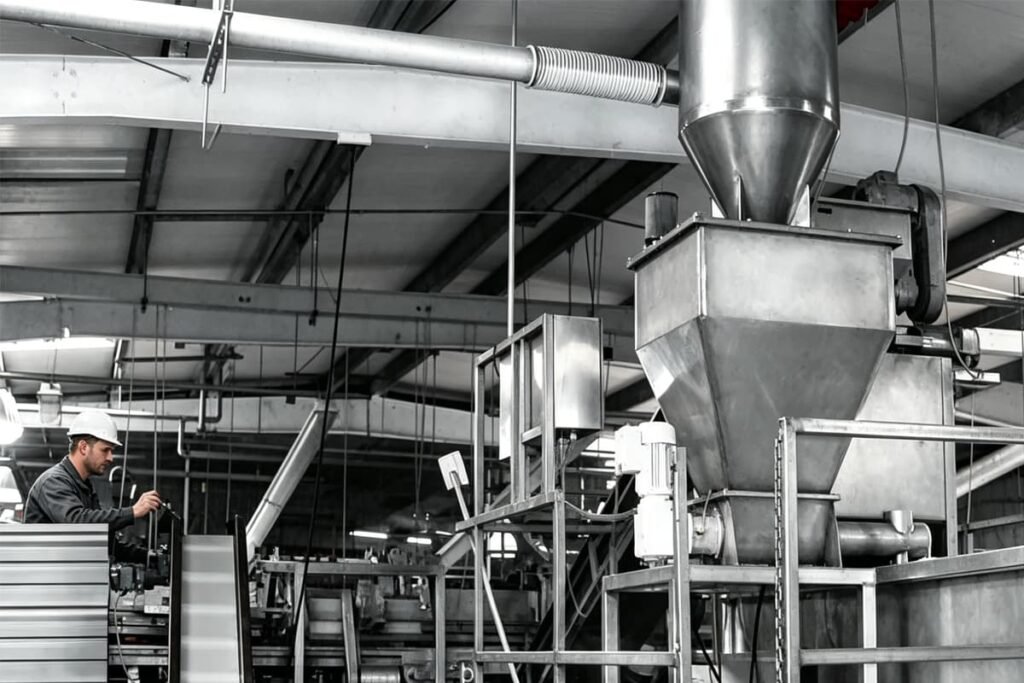
Frequent pipe blockages and contaminated products ruin your production schedule. These problems often come from a low-quality air supply. I believe oil-free screw blowers are the best solution for modern systems.
Oil-free screw blowers improve pneumatic conveying by providing 100% oil-free air and stable pressure. This prevents product contamination and pipe blockages. Their internal compression technology also reduces energy consumption by up to 30%, making them more cost-effective than traditional roots blowers for continuous industrial operations.
I have spent ten years working in this field. I have seen many engineers treat the blower as just a simple utility tool. They only look at the price tag and the motor power. But the blower is the heart of your conveying line. If the heart is weak or dirty, the whole system suffers. You stop being a plant manager and start being a firefighter. Let me share what I have learned about why the industry is moving toward screw technology.
Does Your Conveying Line Need Stable Air or Just More Air?
Many operators think that if a line is slow, they should just turn up the blower speed. This is a common mistake. Then pellets break apart and pipes wear through.
More air is not better for your system. Excessive velocity degrades your product and erodes your expensive pipes. Unstable air causes material settlement and blockages. Oil-free screw blowers deliver steady, low-pulsation airflow that matches what the conveying system actually needs to stay clear.
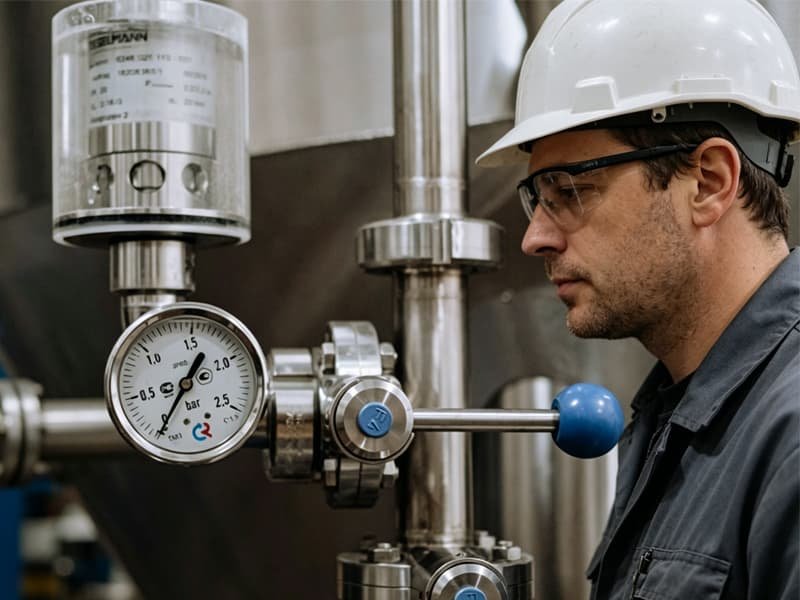
In my experience, uncontrolled airflow is the silent killer of productivity. When air moves too fast, fragile materials like plastic pellets or food powders fracture into dust. This dust clogs your filters and reduces the value of your product. I have visited plants where steel elbows developed holes in just a few months because the air was too fast. It acts like a sandblaster on your equipment.
On the other hand, when airflow is unstable, material drops out of suspension. It settles along the bottom of the pipe. I once advised a client who faced constant blockages. They kept buying bigger blowers, but the problem got worse. The issue was not the volume of air, but the stability. Oil-free screw blowers use internal rotary compression. This provides a nearly pulse-free discharge. The pressure stays flat, and the velocity stays in the "sweet spot" for the material.
Why Flow Consistency Matters
Stability is not just about the blower; it is about how the material behaves inside the pipe. When air pulses, the material moves in "slugs" rather than a steady stream. This creates uneven wear and higher resistance.
| Air Delivery Type | Impact on Material | Impact on Equipment | System Result |
|---|---|---|---|
| High Pulsation | Material "bounces" and settles | Stress on joints and valves | Frequent blockages |
| Stable (Screw) | Smooth, continuous flow | Minimal wear and vibration | Reliable operation |
Using a screw blower allows you to run at the lowest possible velocity that still keeps the material moving. This saves energy and protects your product. I always tell my clients that a stable system is a predictable system.
Is Oil-Free Air a Luxury or a Process Requirement?
I once saw a food plant lose three full silos of powder because of a tiny oil seal leak. Nobody noticed it until the damage was done. The loss was huge.
For food powders, pharmaceuticals, and lithium battery materials, oil carryover is completely unacceptable. It ruins entire batches and triggers expensive customer complaints. Oil-free air is not a luxury feature anymore. For modern, sensitive materials, it is a basic process safety requirement that protects your brand.
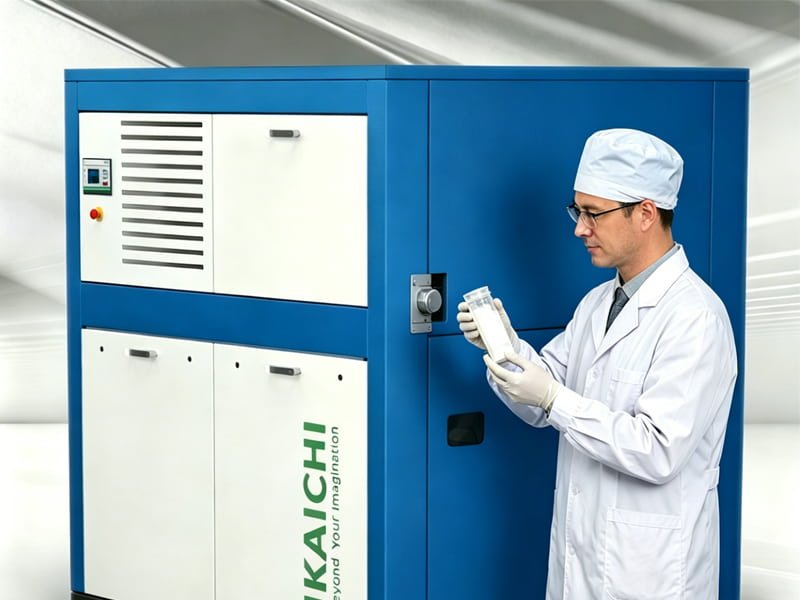
I believe that "clean enough" is a dangerous mindset in our field. Different industries have different tolerances, but the overall trend is moving toward zero oil. I recently worked with a lithium battery material plant. They used oil-injected blowers with expensive filters. Every month they found tiny traces of oil. They finally switched to oil-free screw blowers. After six months of testing, the results showed zero oil contamination.
That is the difference between guessing and knowing. If there is no oil in the compression chamber, no oil can reach your product. This removes a massive point of failure from your factory. It also saves you money. You do not have to buy and replace expensive oil-removing filters every few months. In my view, clean air is the only safe way to run a modern production line. It gives you peace of mind during every audit.
Comparing Material Sensitivity
Different products have different risks when they come into contact with compressor oil. Using the right technology removes these risks entirely.
| Industry | Material Example | Consequence of Oil | Risk Level |
|---|---|---|---|
| Food | Flour / Sugar | Health violation and recall | High |
| Battery | Lithium Powder | Reduced life and fire risk | Extreme |
| Plastic | PET Resin | Discoloration and defects | High |
| Pharma | Pill Ingredients | Batch rejection and fines | Extreme |
How Does the Blower Fit Into the Whole Conveying Process?
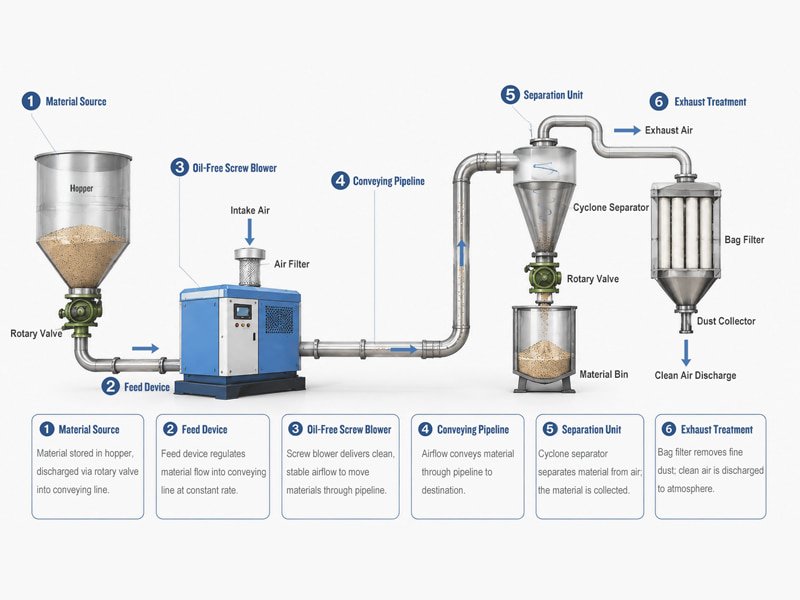
A blower does not work alone. It is the first step in a long chain of equipment. If the blower fails, the rotary valve, the pipes, and the filters all stop working correctly.
The blower provides the energy to move material through the entire process flow. It connects to the feeding valve, the conveying pipe, and the dust collector. Using a screw blower ensures that each part of this chain receives steady, clean air, which prevents mechanical stress and jams.
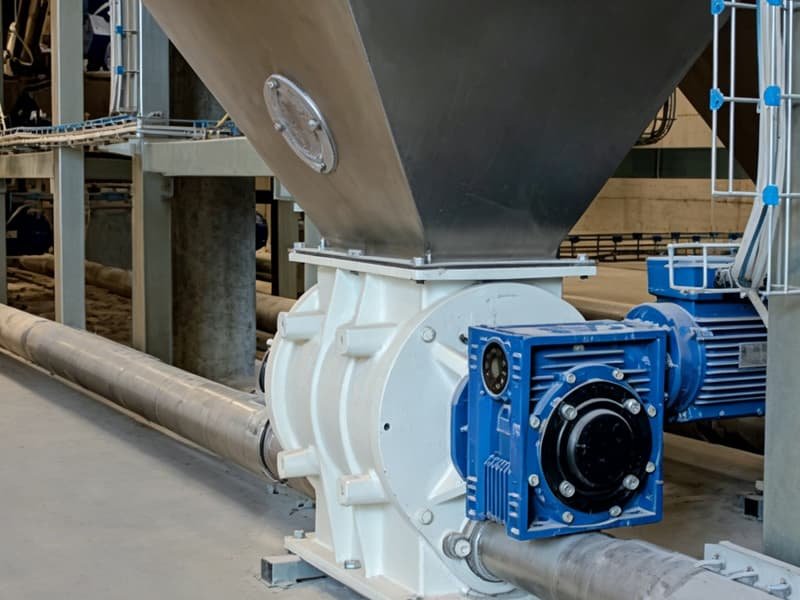
In this field, I see the conveying line as a single machine. The blower creates the pressure. The rotary valve drops the material into the air stream. The pipe carries it to the silo. Finally, the filter separates the air from the powder. If the air from the blower is pulsing, the material moves in "waves." This makes the rotary valve work harder and wear out faster.
A steady screw blower makes the whole process smooth. It allows the filter to catch dust at a constant rate instead of in huge bursts. This extends the life of your filter bags. When you look at the whole flow, you see that the blower is the conductor of the orchestra. If the conductor is out of rhythm, the music falls apart. Using the right blower makes every other piece of equipment in your factory more reliable.
The Chain of Operation
When you understand how the blower impacts every other part of the system, you can see why screw technology is superior. It reduces the "hammer effect" on valves and filters.
| Process Step | Component | Role of Blower | Impact of Screw Blower |
|---|---|---|---|
| 1. Air Supply | Blower | Creates pressure and flow | Provides steady, non-pulsing air |
| 2. Feeding | Rotary Valve | Drops material into the air | Prevents back-pressure surges |
| 3. Transport | Pipes | Carries material to destination | Maintains constant velocity |
| 4. Separation | Filter / Silo | Separates air from product | Reduces dust spikes on filter bags |
Why Does Energy Cost Outweigh the Purchase Price?
A cheap blower looks good on the purchase order today. However, the machine runs for thousands of hours every year. The electricity bill arrives, and that cheap machine becomes a burden.
Energy costs make up 95% of the lifetime cost of a blower. For machines running 24/7, the purchase price is a small fraction of the total expense. A 10% efficiency gain can save tens of thousands of dollars in electricity costs over the life of the machine.
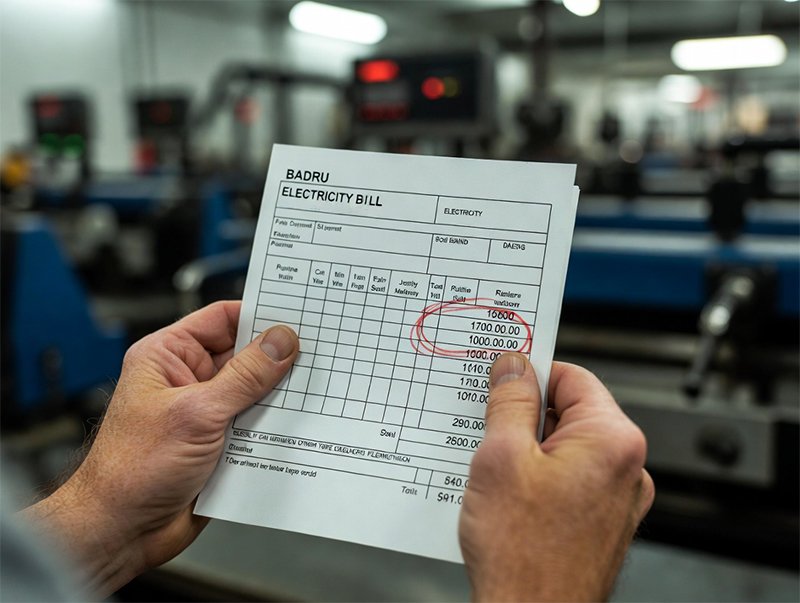
I always tell my customers to do the math before they sign the check. Let’s look at a 75 kW blower running 6,000 hours a year. If electricity is $0.12 per kWh, that machine costs $54,000 a year just to run. Over five years, that is more than a quarter of a million dollars.
Oil-free screw blowers achieve high efficiency through internal compression. Old-style blowers just "push" air out, which wastes a lot of energy as heat. Screw blowers compress the air inside the rotors first. This means less energy turns into heat and more energy moves your material. I once consulted for a plant running four old blowers. We replaced two with oil-free screw units. Their total energy consumption dropped by 18%. The savings paid for the new machines in just 14 months. It is the smartest investment a manager can make for long-term profit.
Total Cost of Ownership (TCO)
When you compare blowers, you must look at the five-year cost, not just the day-one cost. Screw technology wins because it is built for efficiency.
| Expense Type | Traditional Blower | Oil-Free Screw Blower |
|---|---|---|
| Initial Price | Lower | Higher |
| Maintenance | Higher (Filters/Oil) | Lower (Simplified design) |
| Energy Bill | Very High | 20-30% Lower |
| Product Loss Risk | Moderate (Oil risk) | Zero |
What Makes a Blower Package a Project Risk Reducer?
Buying just a bare blower head is a mistake I see too often. The package around the machine determines if your project succeeds or becomes a nightmare during installation and startup.
A complete blower package includes filtration, cooling, silencing, and smart controls. This "plug and play" design prevents onsite errors and speeds up commissioning. For overseas projects or large contractors, a pre-tested package is the best way to ensure the system works correctly from day one.
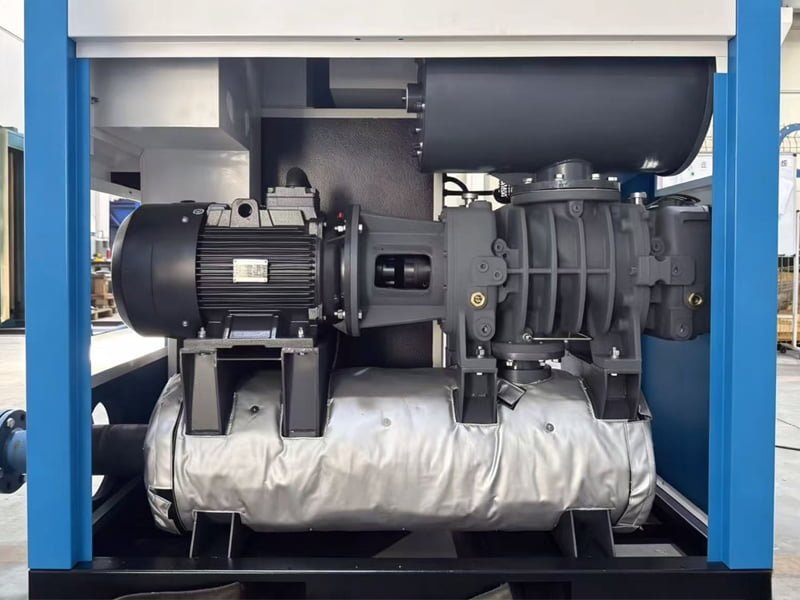
I have seen projects fail because a customer used the wrong size safety valve or forgot a check valve. Backflow from the pipe can spin a blower backwards and destroy the gears in seconds. A professional package includes all these safety parts already installed.
At Elitevak, I focus on the complete setup. This includes the acoustic enclosure to keep the noise at 75 dB instead of 100 dB. It also includes the VFD for soft starting and energy tracking. I once advised on a project where the contractor bought cheap, open blowers. They had no check valves and no inlet filters. Within two months, three blowers failed because of dust and backflow. They lost their entire profit on the project. A good package costs a little more at the start but saves you from total failure.
Critical Package Components
A well-engineered package protects your investment and ensures that the blower survives harsh industrial environments.
| Component | Function | Why It Matters |
|---|---|---|
| Inlet Filter | Cleans incoming air | Protects rotors from dust damage |
| Check Valve | Stops backflow | Prevents blower from spinning backwards |
| Acoustic Box | Reduces noise | Protects worker hearing and meets laws |
| PLC Control | Monitors sensors | Shuts down machine before a major break |
Closing Summary
Oil-free screw blowers stop product contamination, cut energy waste, and prevent unpredictable blockages. For pneumatic conveying of sensitive materials, they are the best choice for long-term success.
