
Next-Level Air Technology: Experience the Screw Blower Difference
Widest Screw Blower Range in China: Power, Flow, Pressure
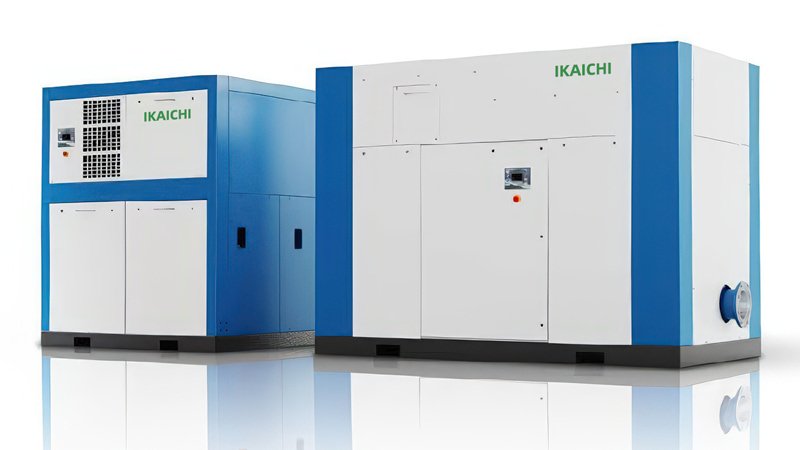
About IKAICHI screw Blower
Engineered from the legacy of industry titans Aerzen, Kaeser, and Robuschi, IKAICHI oil-free screw blowers redefine efficiency and reliability.
In brief, IKAICHI is China’s top screw blower manufacturer, delivering the widest screw blower power, flow, and pressure ranges:
• Power: 11 kW – 630 kW
• Flow: 4 m³/min – 223 m³/min
• Pressure: 0.5 bar(g) – 2.5 bar(g)
For applications above 1.2 bar(g), IKAICHI is uniquely positioned in China as the most reliable provider.
Hot Product
Get a Quote
Need assistance or have a question? Our team will respond quickly to help you out!
Boost Your Business with IKAICHI Screw Blower Solutions.
From 11 kW to 630 kW, and 0.5 bar to 2.5 bar discharge pressure, IKAICHI delivers precise screw blower solutions tailored to meet your industrial needs
Why IKAICHI Screw Blowers?
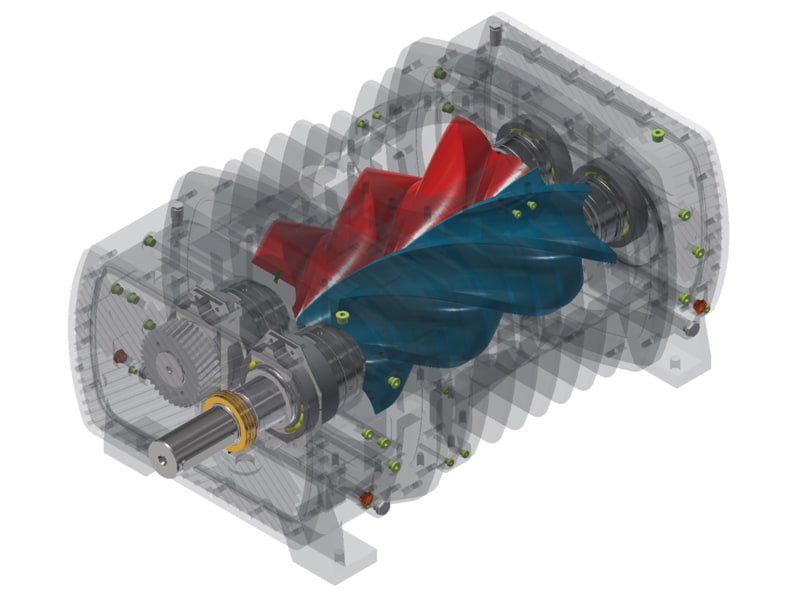
IKAICHI screw blowers combine precision, performance, and reliability for superior value.
Advanced Design
Our unique structure, inspired by leading brands like Aerzen, Kaeser, and Robuschi, ensures consistently high performance.
Energy Efficient
Featuring IE4 PM motor and VSD technology, our blowers deliver significant cost savings from day one.
Durable and Low Maintenance
Built with premium components, including unique non-contact seals and heavy-duty bearings, for extended life in demanding environments.
Quiet Operation
Engineered for the lowest noise and vibration levels, creating a better work environment.
Project Cases
Showcasing IKAICHI screw blower applications in various sectors
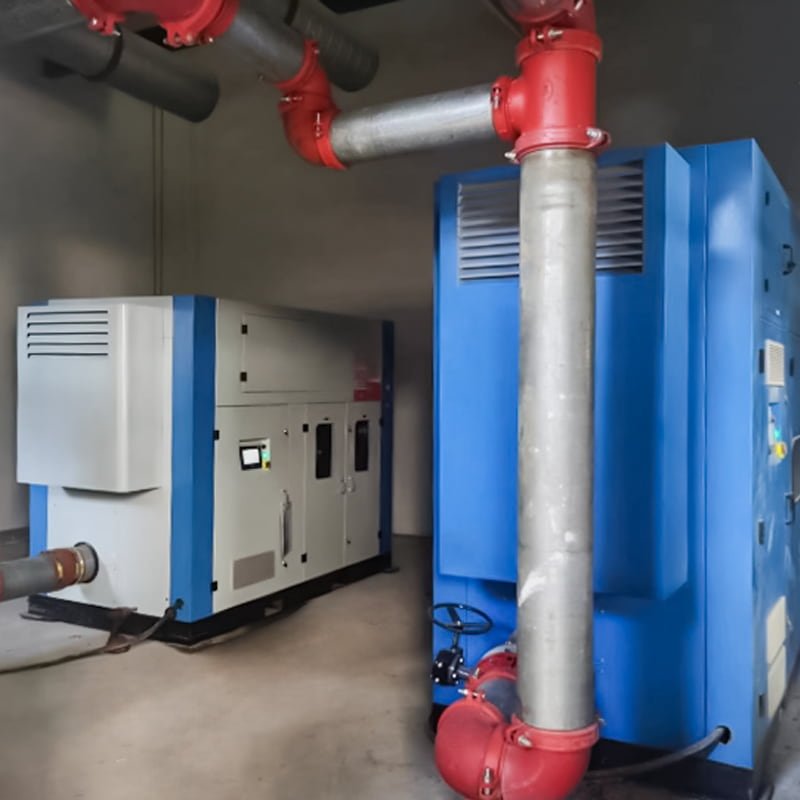
Wastewater Treatment
EB70L (75kW) screw blower replaces 6x 30kW Roots blowers, saving 36% energy.
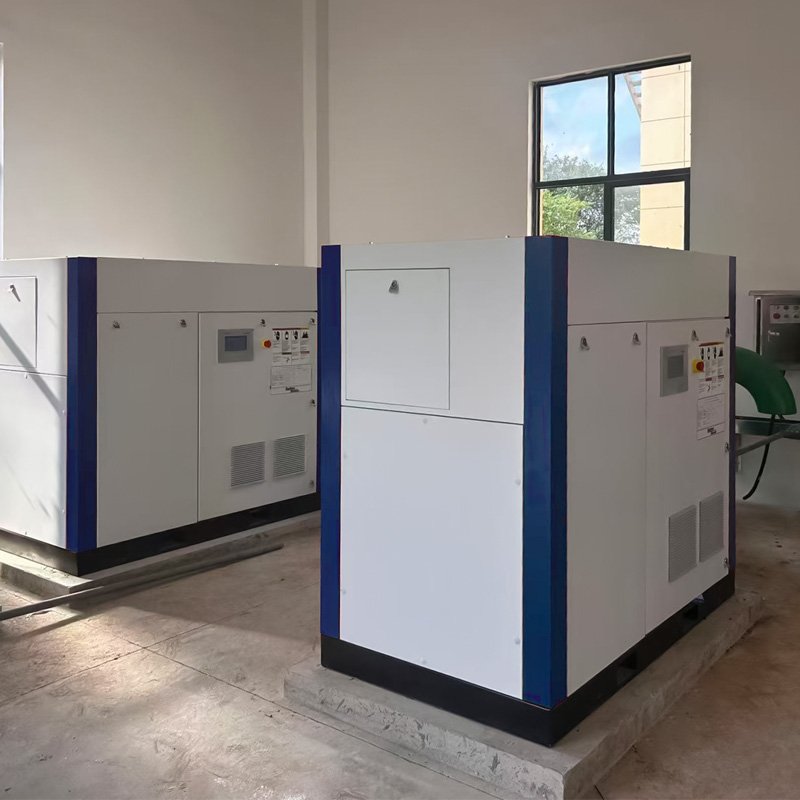
Wastewater Treatment
EB20 (20 m³/h), Municipal Project, Pressure:80 kPa
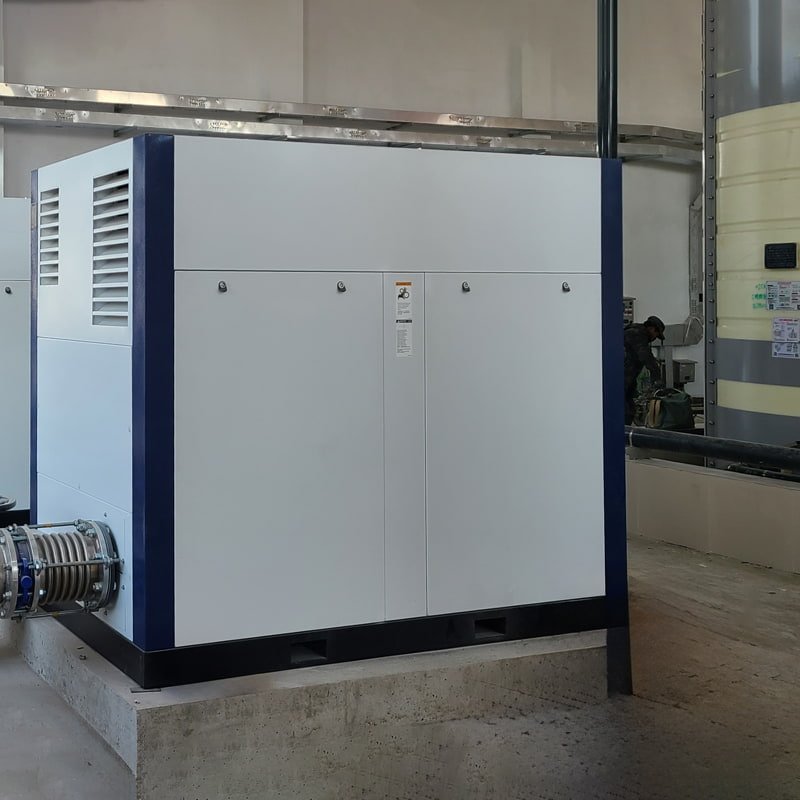
Wastewater Treatment
EB70 (50 m³/h), for filter backwashing, Pressure:80 kPa
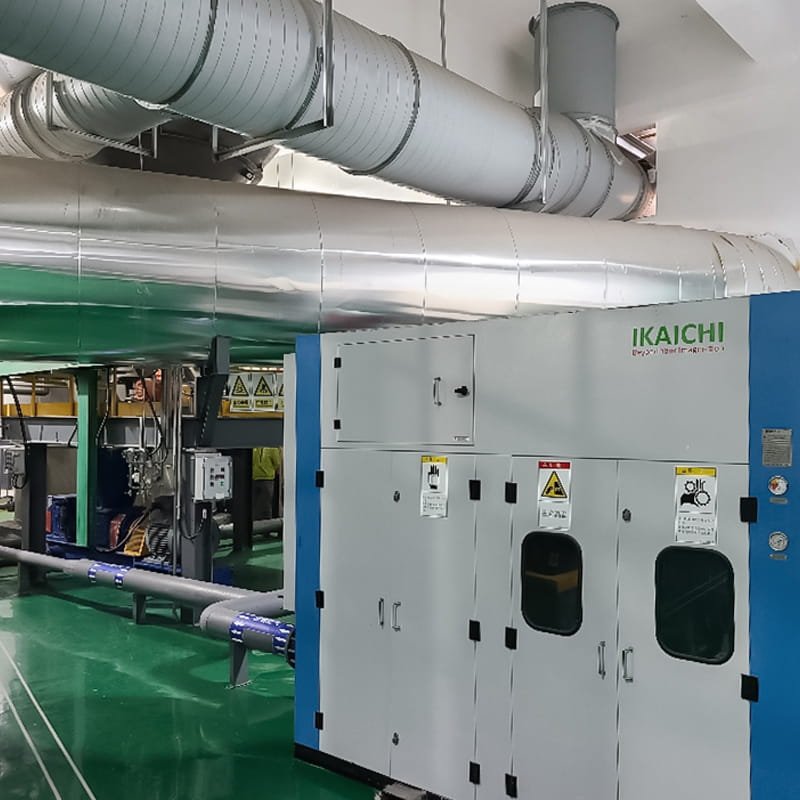
Pneumatic Conveying
EB70M (160kW), for SCR denitration in the cement industry, Pressure: 120-160 kPa
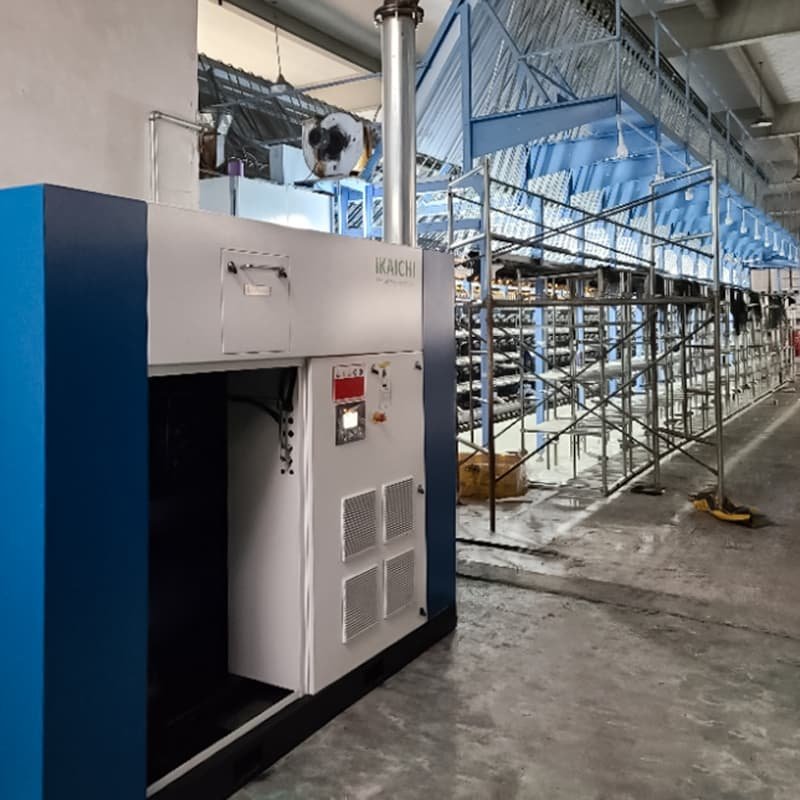
Pneumatic Conveying
EB20M (37kW), for efficient draw texturing in the textile industry, Pressure: 100-120 kPa
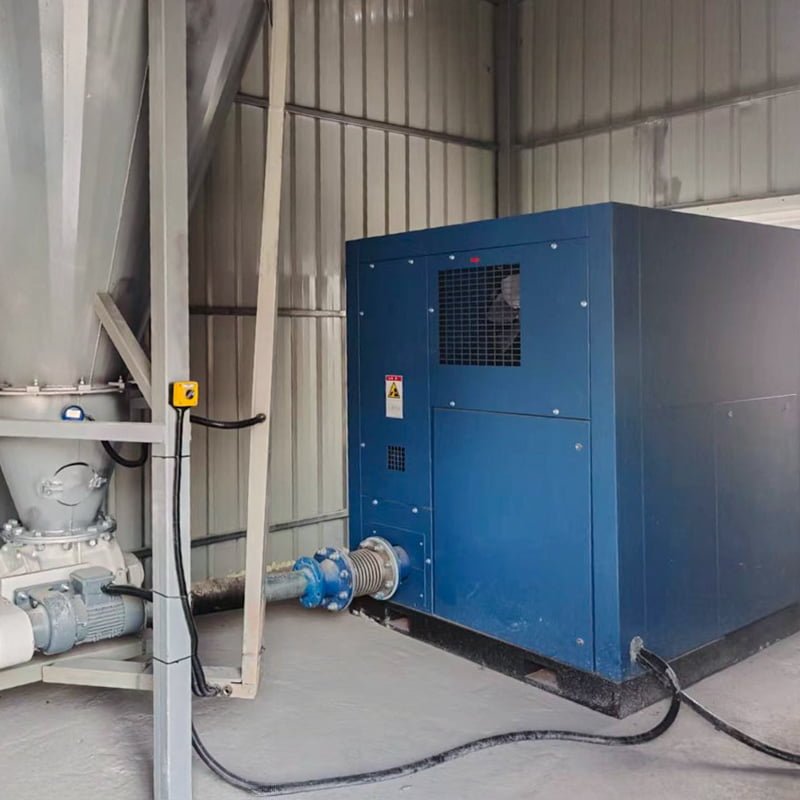
Pneumatic Conveying
EB20M (45kW), for livestock feed transfer
Pneumatic Conveying
EB70M (160kW), for SCR denitration in the cement industry, Pressure: 120-160 kPa
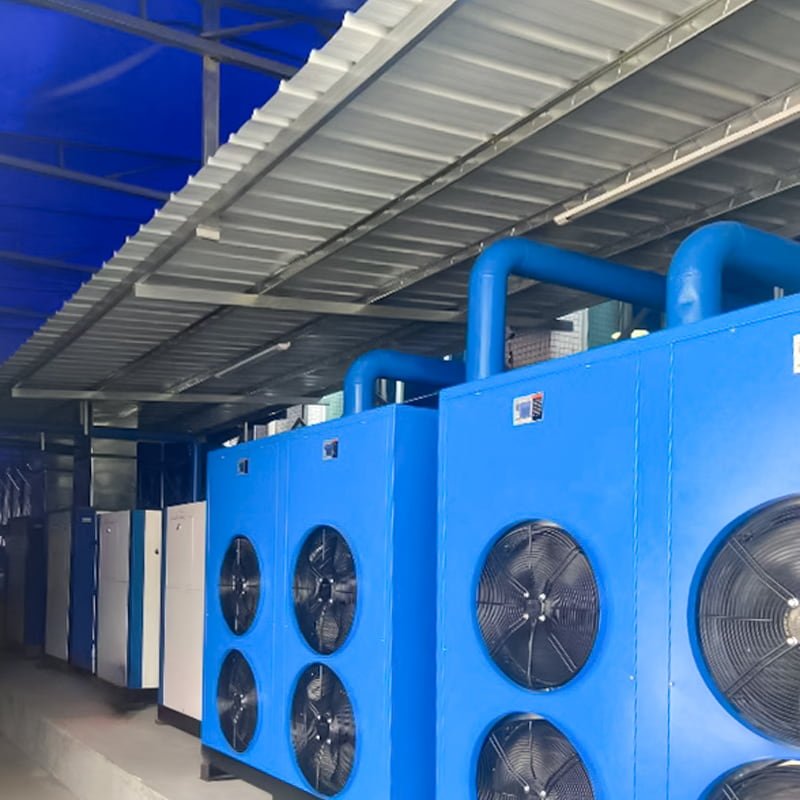
Purging and Drying
EB20L (37kW), for accelerated paper drying in printing applications, Pressure: 60-75 kPa
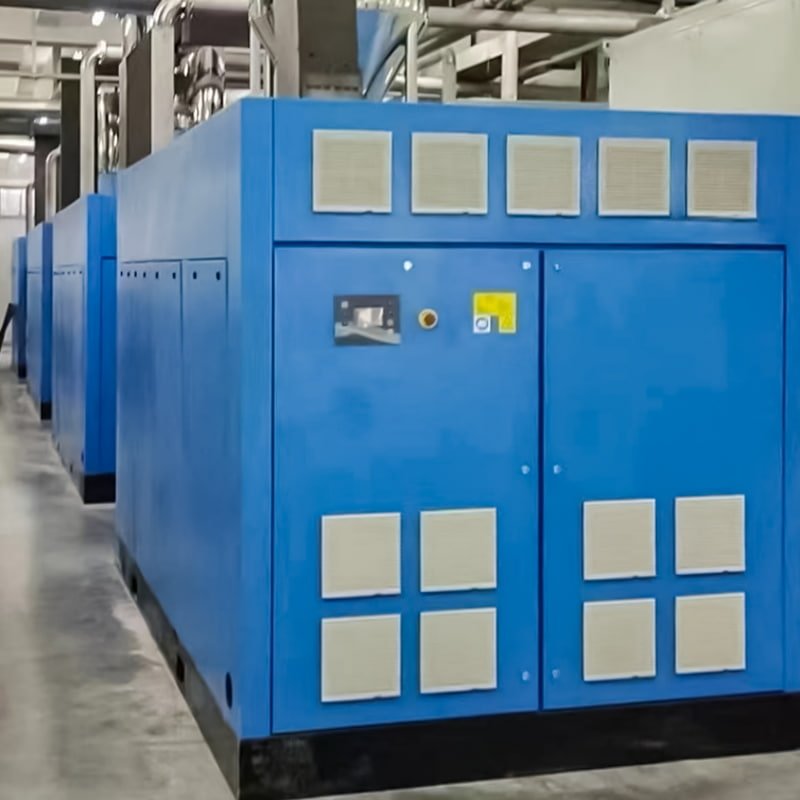
Jet Mill
EC60H (250kW), for Lithium battery industry, Pressure: 200-250 kPa
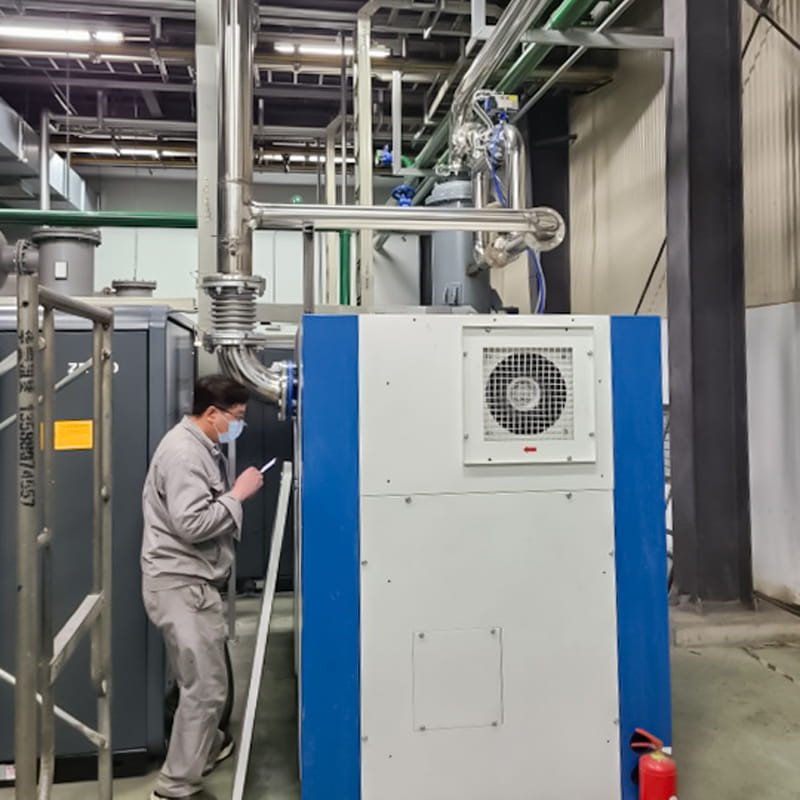
Jet Mill
EB20L (37kW), for superior rare earth fine powder processing, Pressure: 20-50 kPa
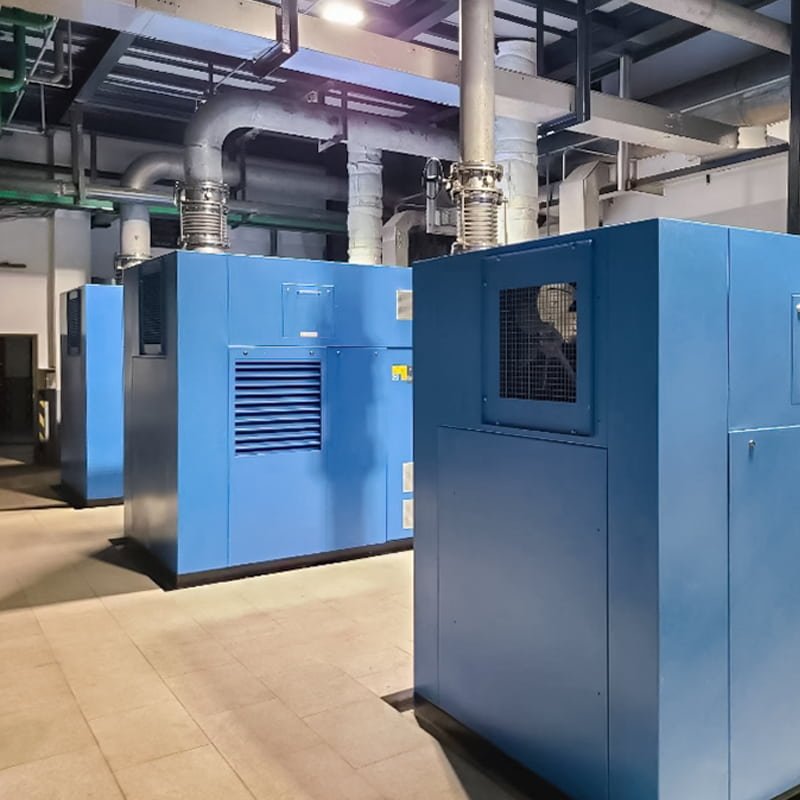
Bio-fermentation
EB100H (400kW), for pharmaceutical manufacturing, Pressure: 200-240 kPa
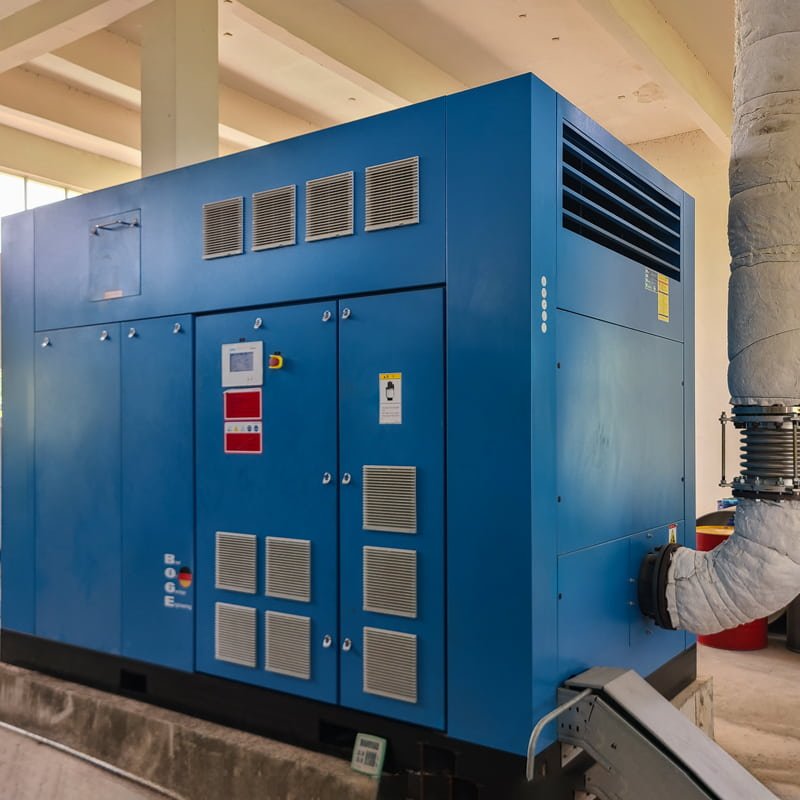
Bio-fermentation
EB100H (355kW), for pharmaceutical manufacturing, Pressure: 200 kPa
How we manufacture
Quality designed, forged, machined, and assembled.
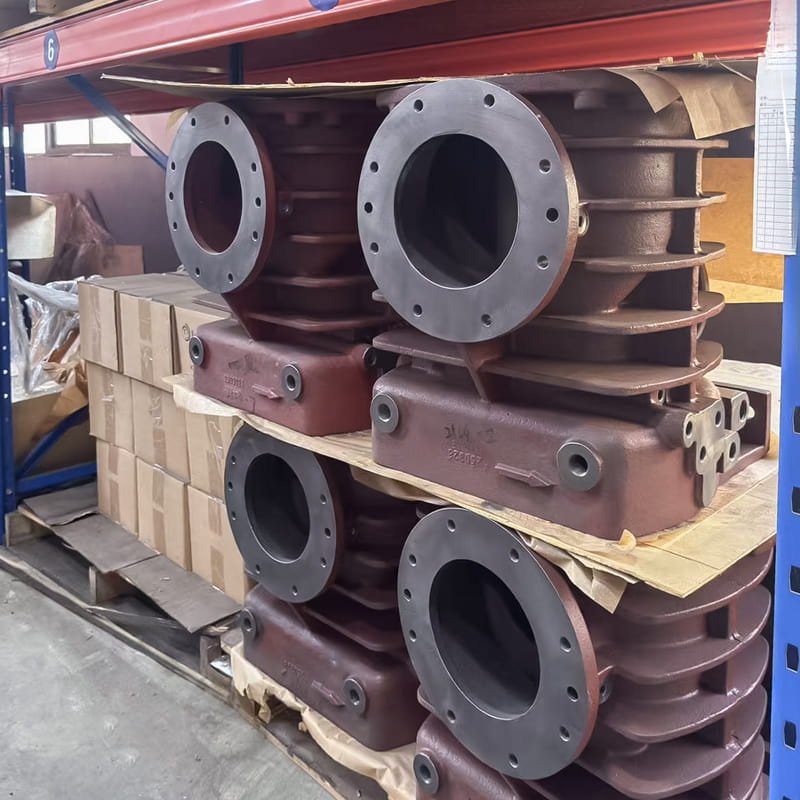
The process begins with our custom-designed bareshafts, precisely cast by our trusted foundry partner.
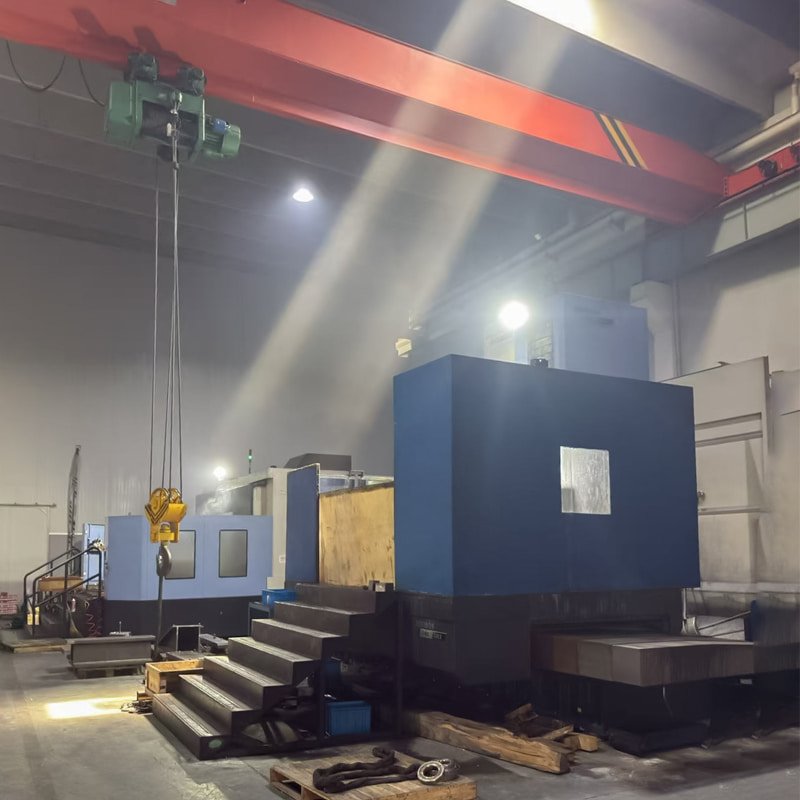
Using a range of CNC machining centers and specialized equipment, we meticulously process all components.
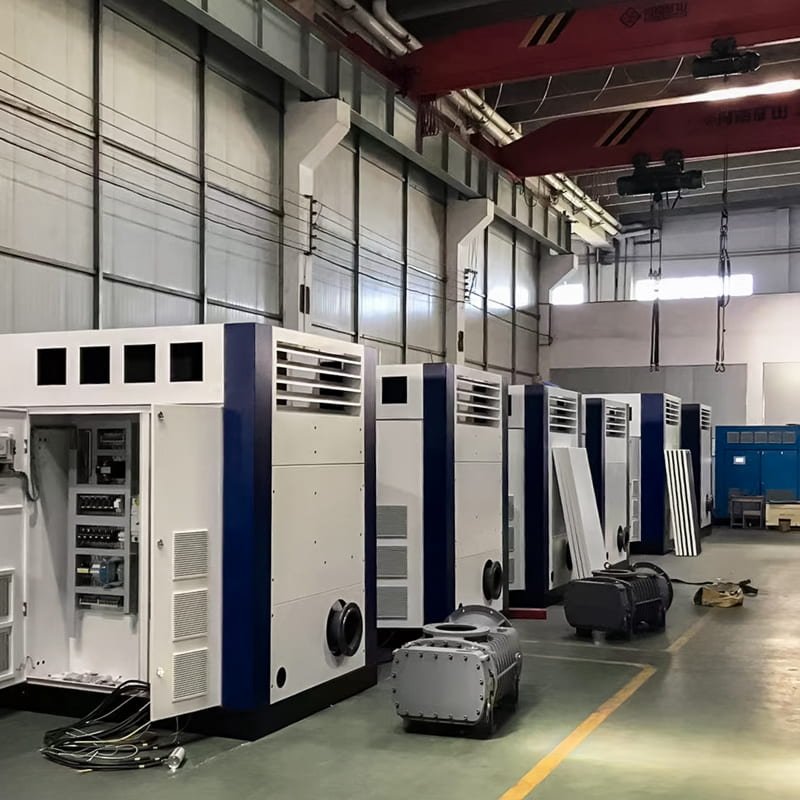
Highly skilled technicians assemble all precise components within a clean, controlled environment.
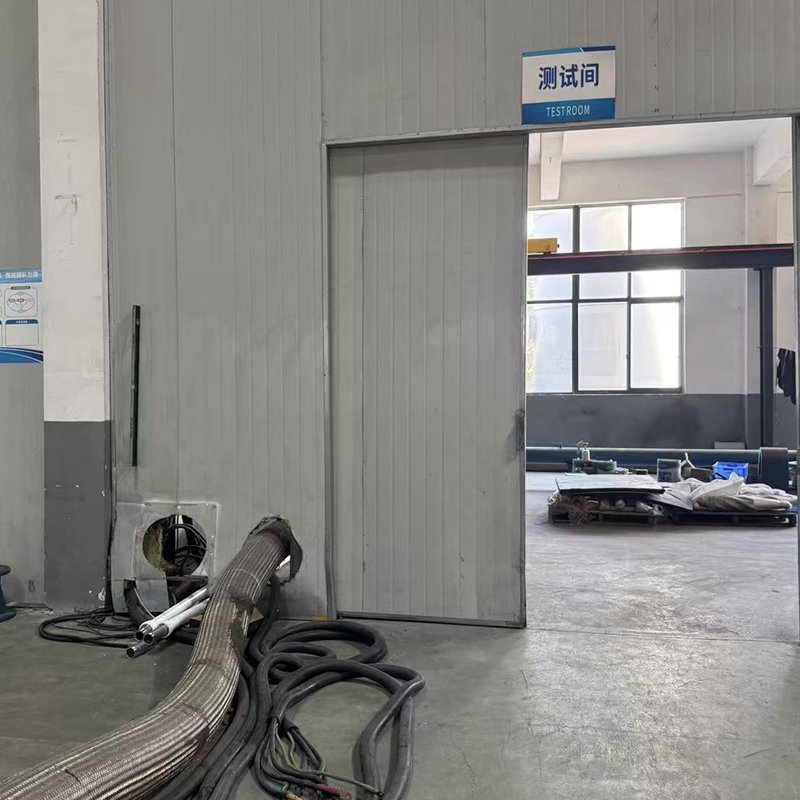
Before dispatch, every screw blower undergoes comprehensive performance testing for hours.
Screw Blower Ultimate Buying Guide
Become an Expert When Importing Screw Blowers from China
Table of Contents
- What is a dry screw blower?
- How does a dry screw blower work?
- What are the applications of dry screw blower?
- What are the benefits of dry screw blower?
- Dry screw blower vs. Roots blower, which is more efficient?
- Dry screw blower vs. centrifugal blower, which is more efficient?
- When do screw blowers become the leading choice for demanding industrial tasks?
- How to choose the best dry screw blower manufacturer from China?
What is a dry screw blower?
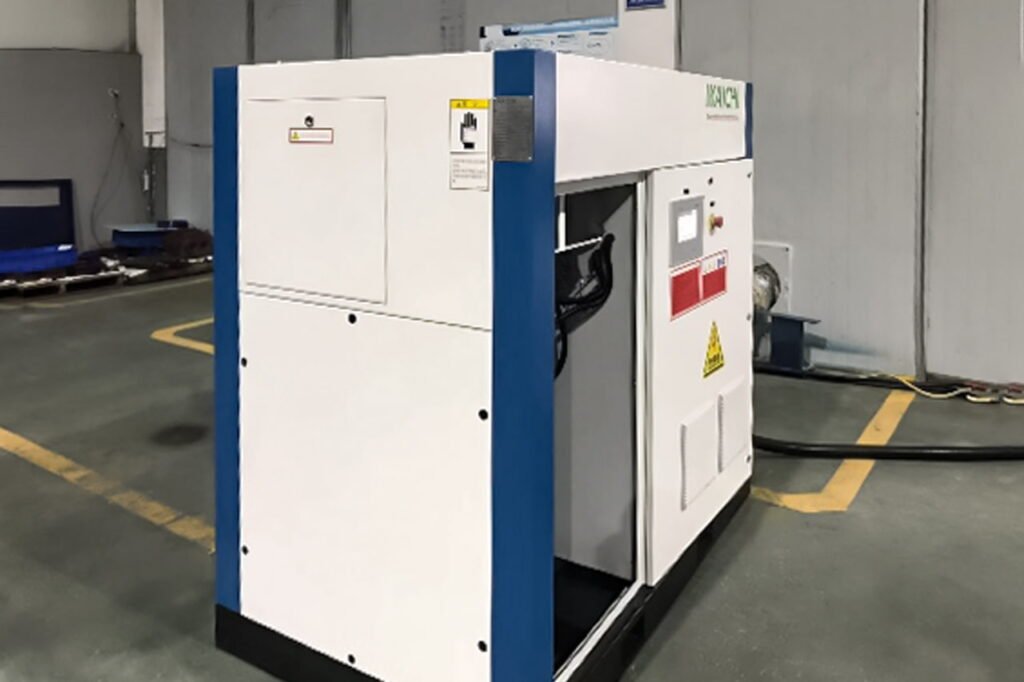
A dry screw blower is a positive displacement machine designed to deliver oil-free compressed air or gas. Its core mechanism involves two precisely machined, intermeshing helical (screw-shaped) rotors. The term “dry” signifies that no oil or water is introduced into the compression chamber, ensuring the discharged medium is completely free of contaminants. This characteristic makes it indispensable in applications demanding high purity.
How does a dry screw blower work?
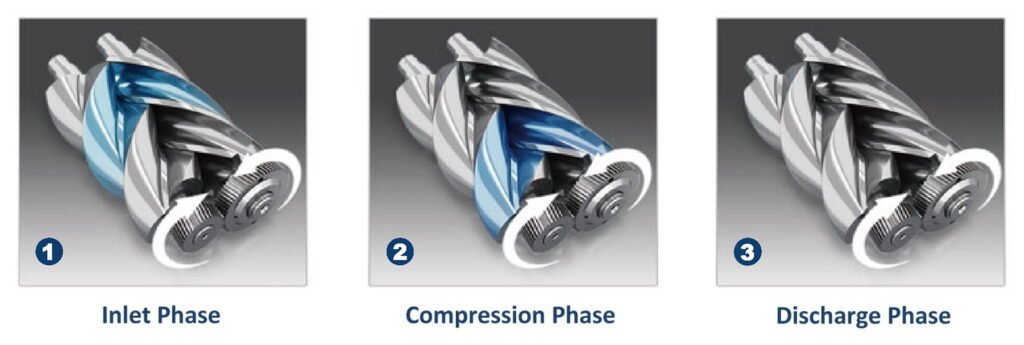
The operation of a dry screw blower can be broken down into three distinct phases:
1. Inlet Phase: As the twin rotors rotate, air or gas is drawn into the compression chamber through the inlet port.
2. Compression Phase: The continuous rotation of the rotors traps a defined volume of air within the progressively diminishing spaces created by the intermeshing screw profiles. This reduction in volume leads to the internal compression of the air.
3. Discharge Phase: Once the compressed air reaches the discharge port at the end of the rotors, it is smoothly expelled from the blower.
Crucially, the rotors operate without physical contact with each other or the casing, maintaining extremely tight clearances. Their synchronized movement is precisely controlled by timing gears, ensuring efficient, non-lubricated compression.
What are the applications of dry screw blower?
Dry screw blowers are versatile and found in various industries where oil-free air or gas is crucial:
> Wastewater Treatment: Aeration of activated sludge tanks.
> Pneumatic Conveying: Transporting powders and granules in food, chemical, and pharmaceutical industries.
> Industrial Processes: Applications requiring clean air, such as fermentation, drying, and general industrial air supply.
> Chemical and Petrochemical: Handling various gases where contamination must be avoided.
What are the benefits of dry screw blower?
1. Oil-Free Operation: Delivers 100% oil-free air/gas, critical for sensitive applications.
2. Energy Efficiency: Generally more efficient than traditional Roots blowers, especially at higher pressures.
3. Low Maintenance: Fewer wearing parts due to non-contacting rotors means less downtime and lower maintenance costs.
4. Quiet Operation: Engineered with advanced acoustic designs, IKACHI blowers operate at significantly lower noise levels compared to some other blower technologies.
5. Compact Design: Often have a smaller footprint, saving valuable space.
6. Variable Speed Drive (VSD) Compatibility: Excellent performance with VSDs, allowing for energy savings by matching output to demand.
Dry screw blower vs. Roots blower, which is more efficient?
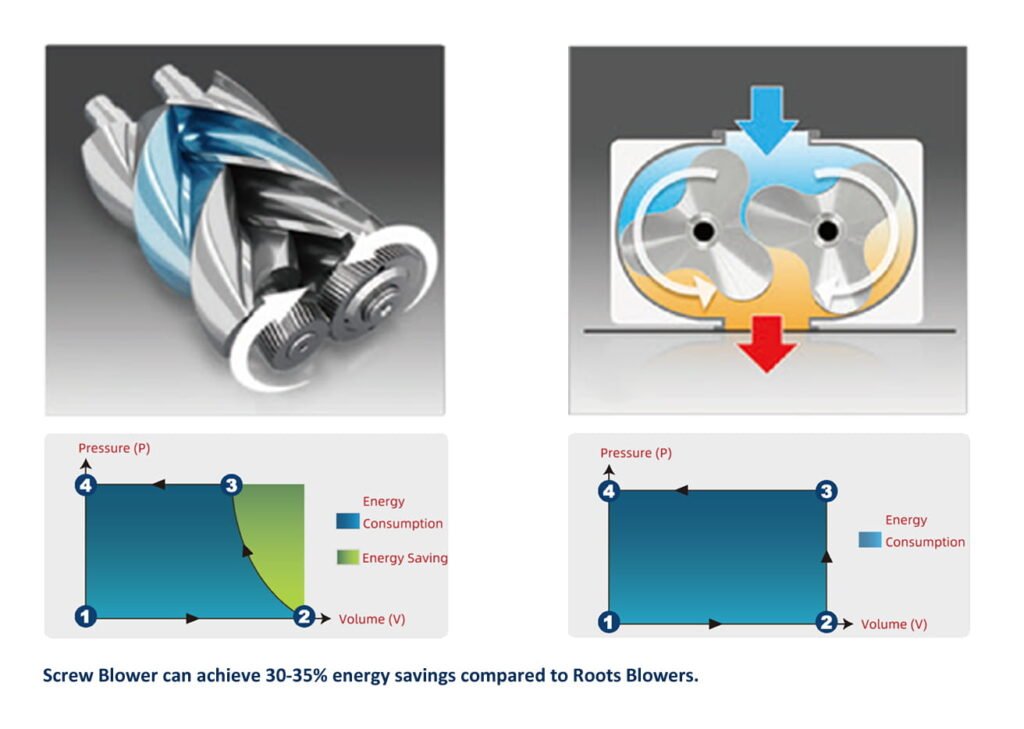
In most operational scenarios, dry screw blowers exhibit superior energy efficiency compared to Roots blowers, particularly as the required pressure differential increases.
The fundamental difference lies in their compression mechanisms:
• Dry Screw Blower (Internal Compression): These blowers achieve internal compression. Air is compressed gradually within the rotor chambers as the volume decreases before discharge. This inherent process significantly reduces energy losses associated with backflow and turbulence at the discharge port.
• Roots Blower (External Compression): Roots blowers operate on the principle of external compression. They displace a fixed volume of air and discharge it directly against the existing higher pressure in the downstream piping. Compression effectively occurs after the air leaves the blower, leading to instantaneous pressure equalization and associated energy inefficiencies, especially at higher pressure ratios.
Therefore, while Roots blowers offer simplicity and robustness for lower-pressure, high-volume applications, dry screw blowers provide a more energy-efficient and technologically advanced solution for applications requiring higher pressures and clean air delivery.
Dry screw blower vs. centrifugal blower, which One You Should Choose?
Choosing the right industrial blower balances energy efficiency with application needs.
Top Energy Efficiency: Prioritize Magnetic (Air) Bearing or Dry Screw Blowers. Avoid Roots and multi-stage centrifugals.
Application-Specific Choices:
Pneumatic Conveying, High Pressure, Variable Conditions, Harsh Environments, High Altitude: Choose Dry Screw Blowers. Avoid Magnetic (Air) Bearing blowers due to reliability/efficiency issues in these scenarios.
Small Flow Rates (<60 m³/min): Consider Dry Screw Blowers; centrifugals are often inefficient here.
Municipal Wastewater Aeration: Both are options. For extreme efficiency, a hybrid (magnetic for fixed, dry screw for variable) can be effective.
Why Dry Screw Blowers Often Stand Out:
Versatile & Robust: Maintain high efficiency across broad operating ranges, handle variable conditions well, and are less sensitive to harsh environments.
No Energy Waste: Excellent variable frequency range prevents venting air during load changes.
Centrifugal & Magnetic (Air) Bearing Blower Caveats:
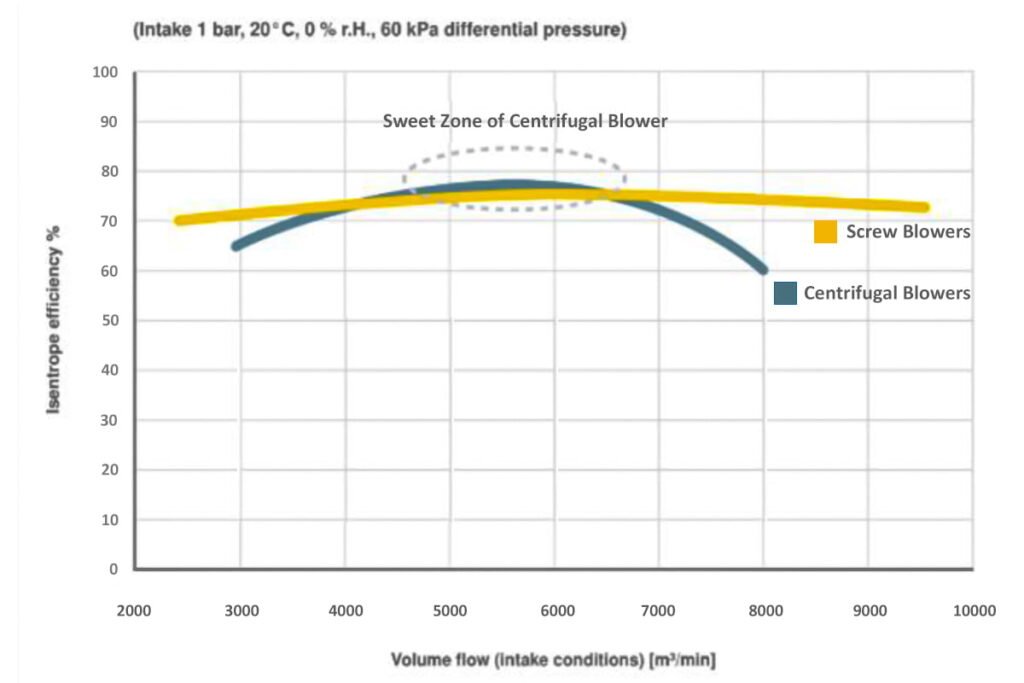
Centrifugal: Require extreme precision, have narrow efficiency bands, and are prone to operational issues with changing conditions.
Magnetic (Air) Bearing: Highly sensitive to environment (often needing clean conditions), and larger units increase system complexity and cost with cooling requirements.
While magnetic (air) bearing blowers offer high peak efficiency, dry screw blowers often provide a more robust, adaptable, and overall efficient solution for challenging industrial applications. The “best” choice always depends on your specific operational demands.
When do screw blowers become the leading choice for demanding industrial tasks?
Screw blowers truly become the top choice, and sometimes the only viable solution, when industrial processes present tough conditions that other common blower types struggle to meet efficiently or effectively.
Here are the key situations where they are essential:
Very High Pressure, High Efficiency & Hazardous Environments: For tasks demanding significant air pressure above 1.2 bar(g) (about 17.4 PSI), needing high energy efficiency, and often requiring operation in potentially explosive atmospheres, screw blowers excel. Unlike Roots blowers, which waste energy by compressing air after it leaves the blower (leading to much lower efficiency at high pressures), screw blowers compress air internally, using less power. Both screw and Roots blowers are often preferred in explosion-proof designs over centrifugals. Centrifugal blowers can reach these pressures but often require a 2-stage setup, adding complexity, cost, and maintenance. Examples: Deep-tank aeration in large wastewater treatment plants, dense-phase pneumatic conveying of bulk materials in chemical or pharmaceutical industries.
Adapting to Changing Airflow Needs (Dynamic Conditions): Many industrial jobs require air demand to fluctuate. Screw blowers adapt efficiently. Roots blowers deliver a fixed volume and become very inefficient when demand drops. Centrifugal blowers can lose efficiency and become unstable (surge) with varying loads. Screw blowers maintain high efficiency across a wide range, preventing energy waste and keeping processes stable. Examples: Aeration systems with varying biological loads, vacuum conveying systems for multiple pickup points.
Critical Process Stability with Smooth Airflow: Some sensitive processes cannot tolerate surges or pulses in airflow. Screw blowers provide a very smooth, pulsation-free air stream. Roots blowers inherently produce pulsating airflow, disrupting delicate processes. While centrifugal blowers can offer smoother flow at ideal points, their performance degrades under varying conditions. This steady flow from a screw blower is crucial for consistent product quality and precision. Examples: Precision drying, specialized chemical mixing, critical fermentation processes.
In these challenging environments, the screw blower’s unique ability to efficiently handle very high pressures, adapt seamlessly to changing demands, and provide a perfectly smooth airflow makes it not just the best, but often the indispensable solution compared to its alternatives.
How to choose the best dry screw blower manufacturer from China?
When selecting a manufacturer from China, consider these key aspects:
• Experience and Reputation: Look for manufacturers with a long history and positive industry reputation. Check their project references and client testimonials.
• Technology and R&D: A good manufacturer invests in R&D to continuously improve their designs for efficiency, reliability, and performance. Inquire about their screw profile design and manufacturing precision.
• Product Range: Ensure they offer a diverse range of blowers to match your specific flow, pressure, and application needs.
• Quality Control and Certifications: Ensure they have stringent quality control processes (e.g., ISO 9001) and relevant product certifications.
• After-Sales Service and Support: This is crucial. Evaluate their warranty, spare parts availability, technical support, and service network. Can they provide support in your region?
• Customization Capability: Can they tailor solutions to your specific application requirements?
• Price vs. Value: While cost is a factor, prioritize the overall value, including efficiency, reliability, and long-term operating costs. A lower upfront cost might lead to higher energy consumption and maintenance down the line.
I’d suggest looking into manufacturers that specialize in industrial blowers and have a strong export track record. Do thorough due diligence, including factory visits if possible, to ensure you’re partnering with a reliable supplier.
Stay Informed with IKAICHI
Keep up to Date on the Latest in Blower Technology and Industry News
Get in Touch & Optimize Your System Today!
FAQs
We provide a 12-month limited warranty for our distributors. This warranty becomes effective from the loading date as indicated on the Bills of Lading for sea shipments.
For other delivery methods, the warranty period starts from the shipment date from our factory.
Typically, we take about 4 weeks if we have everything ready in stock. For large or customized models the lead time could be longer.
Our minimum order (MOQ) requirement is set at USD 4,000 to adequately cover fixed logistics and handling expenses.
Nevertheless, we welcome orders of smaller quantities, even as little as one piece, from new customers for testing purposes, provided that the freight expenses are borne by the client.
Absolutely, we offer OEM services to meet your branding requirements, including custom nameplates and tailored packaging solutions.
IKAICHI stands as China’s premier and most seasoned manufacturer of dry screw blowers. As its strategic partner, Elitevak manages all export activities efficiently.
We prefer wire transfers (T/T) – 30% upfront and the balance before we ship your order. If we’re racing against time and the lead time is under 3 weeks, we’d appreciate full payment upfront. It just helps speed things up!