Premium dry Diaphragm Vacuum Pumps | Chemical Duty
Oil-free, fluoropolymer-protected vacuum for aggressive chemical processing.
Hot Products
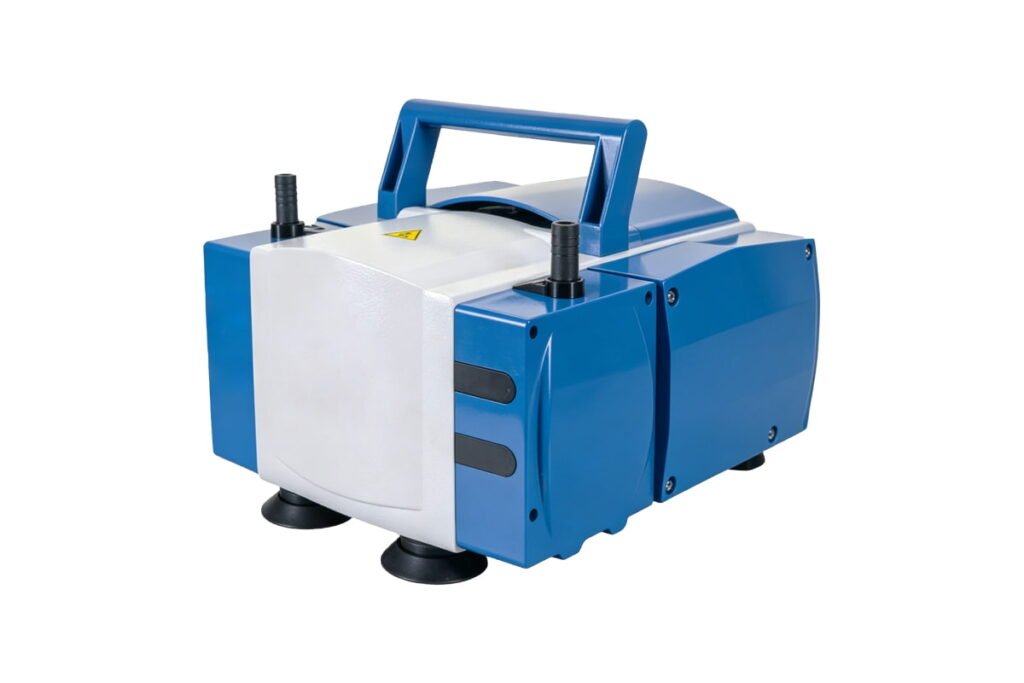
EDP-30
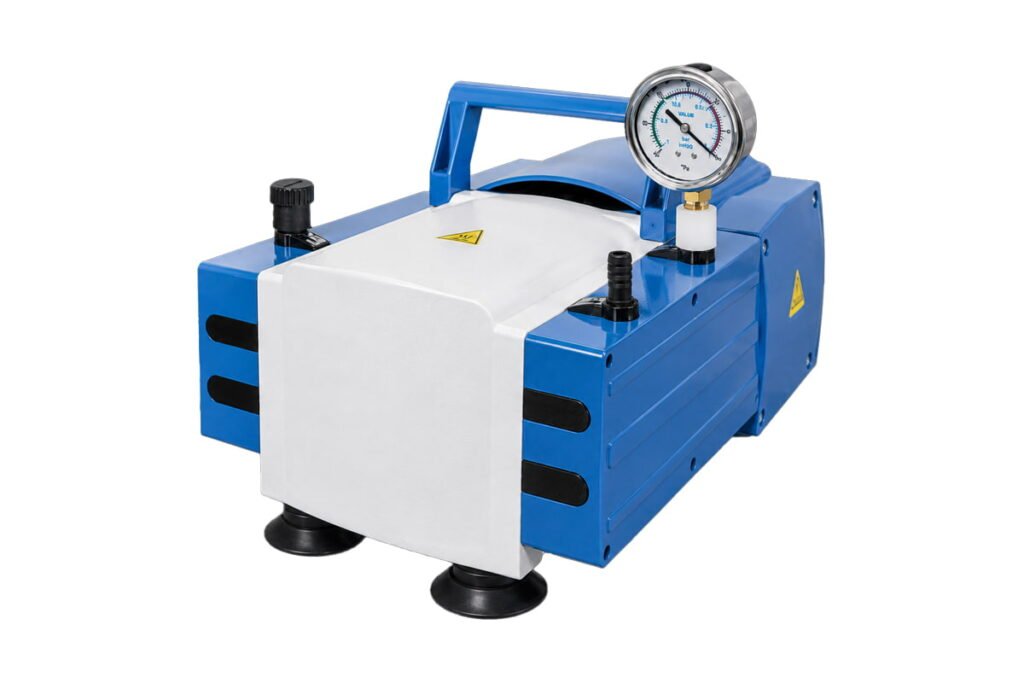
EDP-60
Key Features
Technical Data
| Model | EDP-30 | EDP-60 |
|---|---|---|
| Flow Rate | 33 L/min (1.98 m³/h) | 60 L/min (3.6 m³/h) |
| Ultimate Vacuum | 600 Pa (6 mbar) | 200 Pa (2 mbar) |
| Motor Power | 200 W | 200 W |
| Power Supply | 220V/50Hz | 220V/50Hz |
| Wetted Materials | PTFE, FFKM, ETFE | PTFE, FFKM, ETFE |
| Diaphragm Life | Up to 15,000 Hours | Up to 15,000 Hours |
| Gas Ballast | Included | Included |
Performance
| Ambient Temp. | Humidity | Equipment Pair | Target Vacuum | Evacuation Time | |
|---|---|---|---|---|---|
| Diaphragm Vacuum Pump | Rotary Evaporator | ||||
| 20°C | ≤ 70% | EDP-30 | RE-1005 (5L) | -0.099 MPa | 2 min |
| 20°C | ≤ 70% | EDP-30 | RE-1010 (10L) | -0.099 MPa | 5 min |
| 20°C | ≤ 70% | EDP-30 | RE-1020 (20L) | -0.099 MPa | 7 min |
| 20°C | ≤ 70% | EDP-30 | RE-1050 (50L) | -0.099 MPa | 12 min |
Primary Application Fields
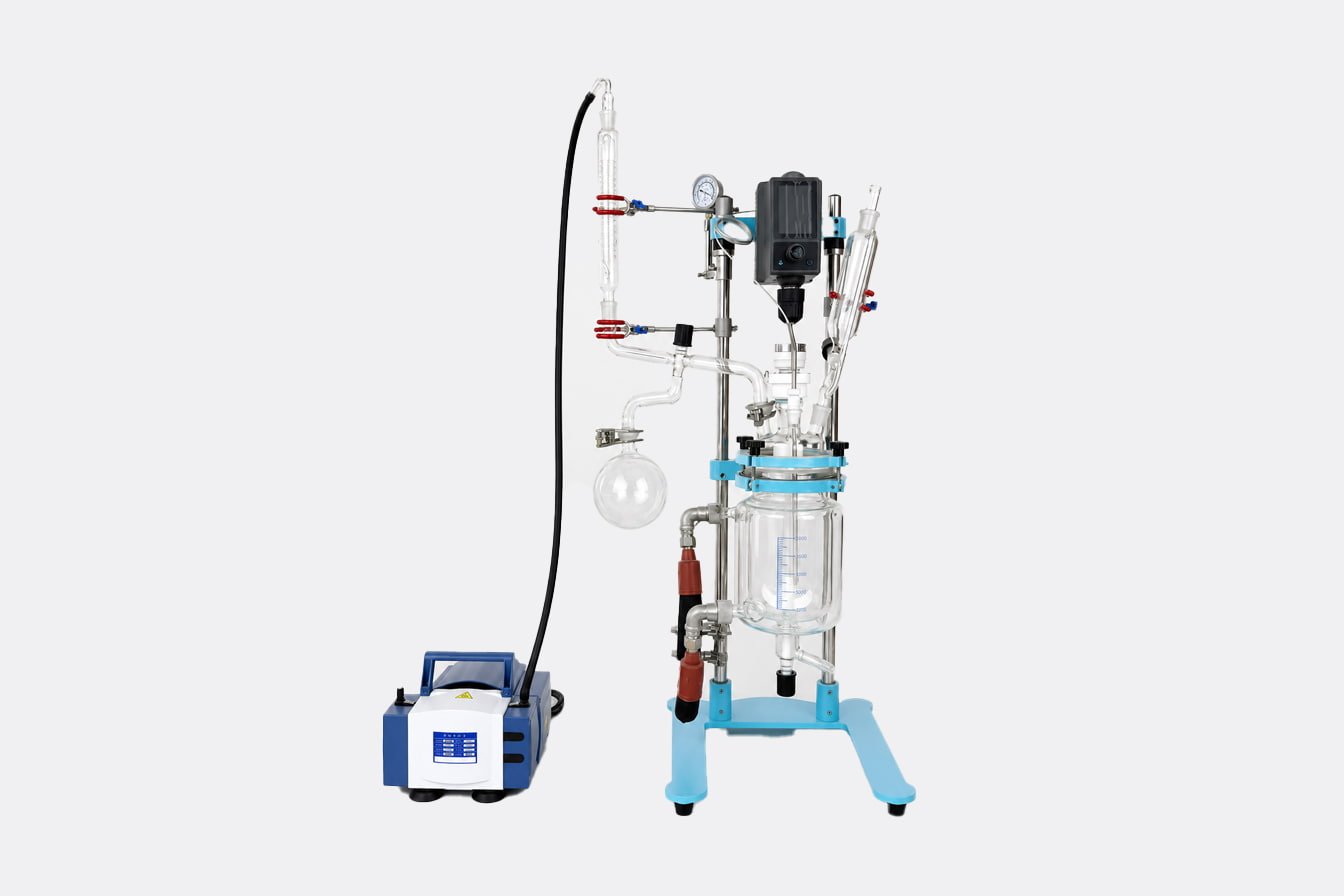
Rotary Evaporation
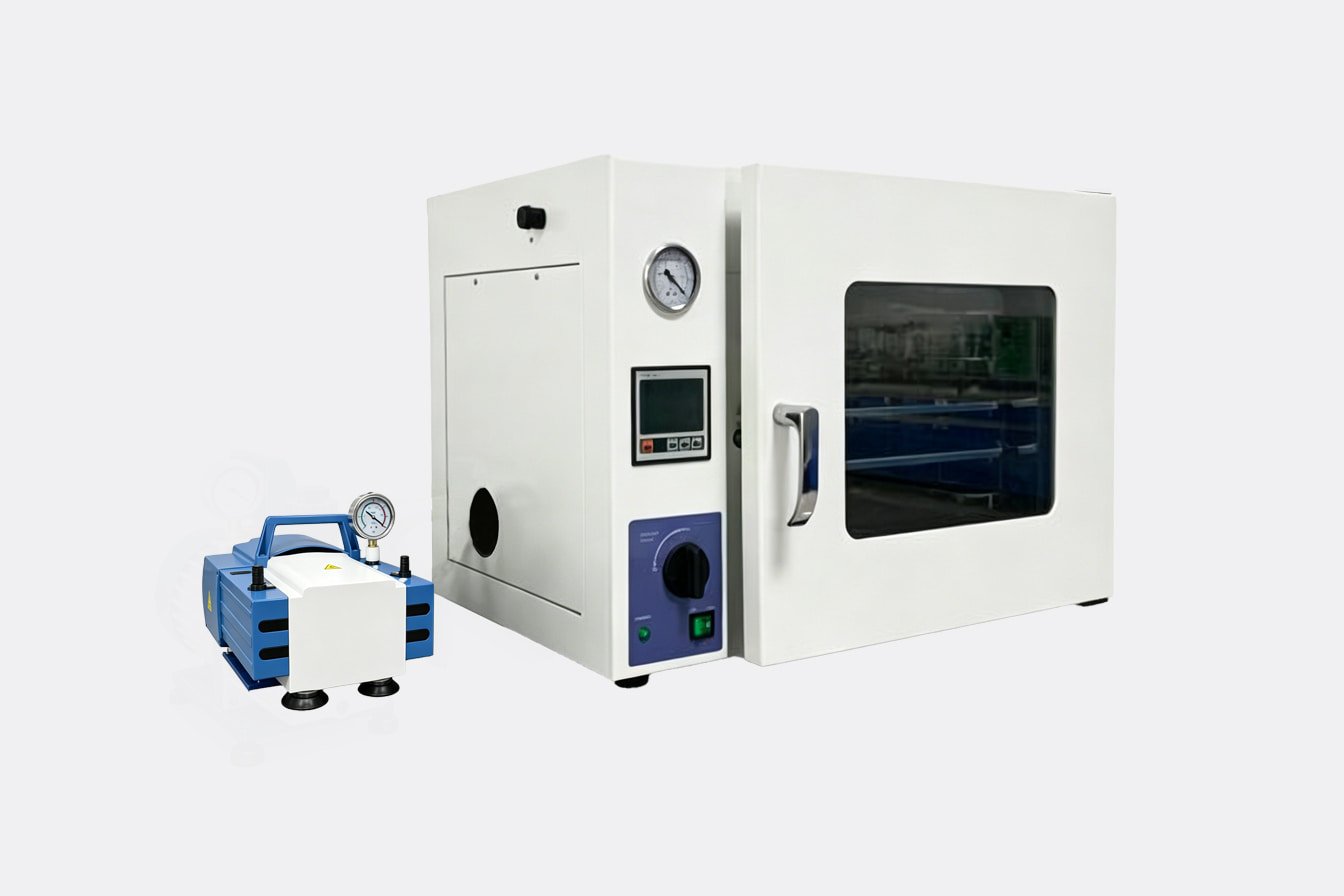
Vacuum Drying Ovens
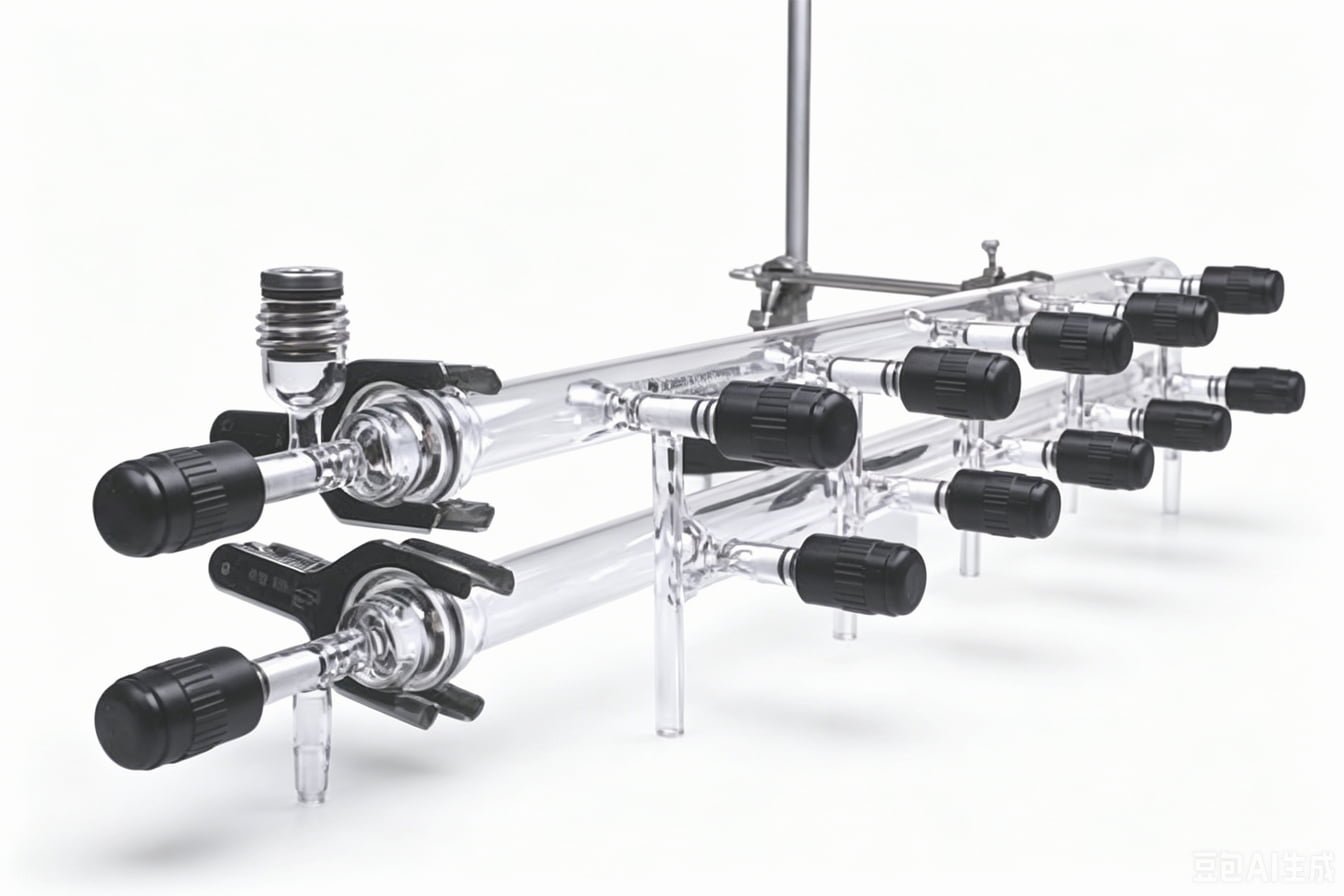
Schlenk Lines
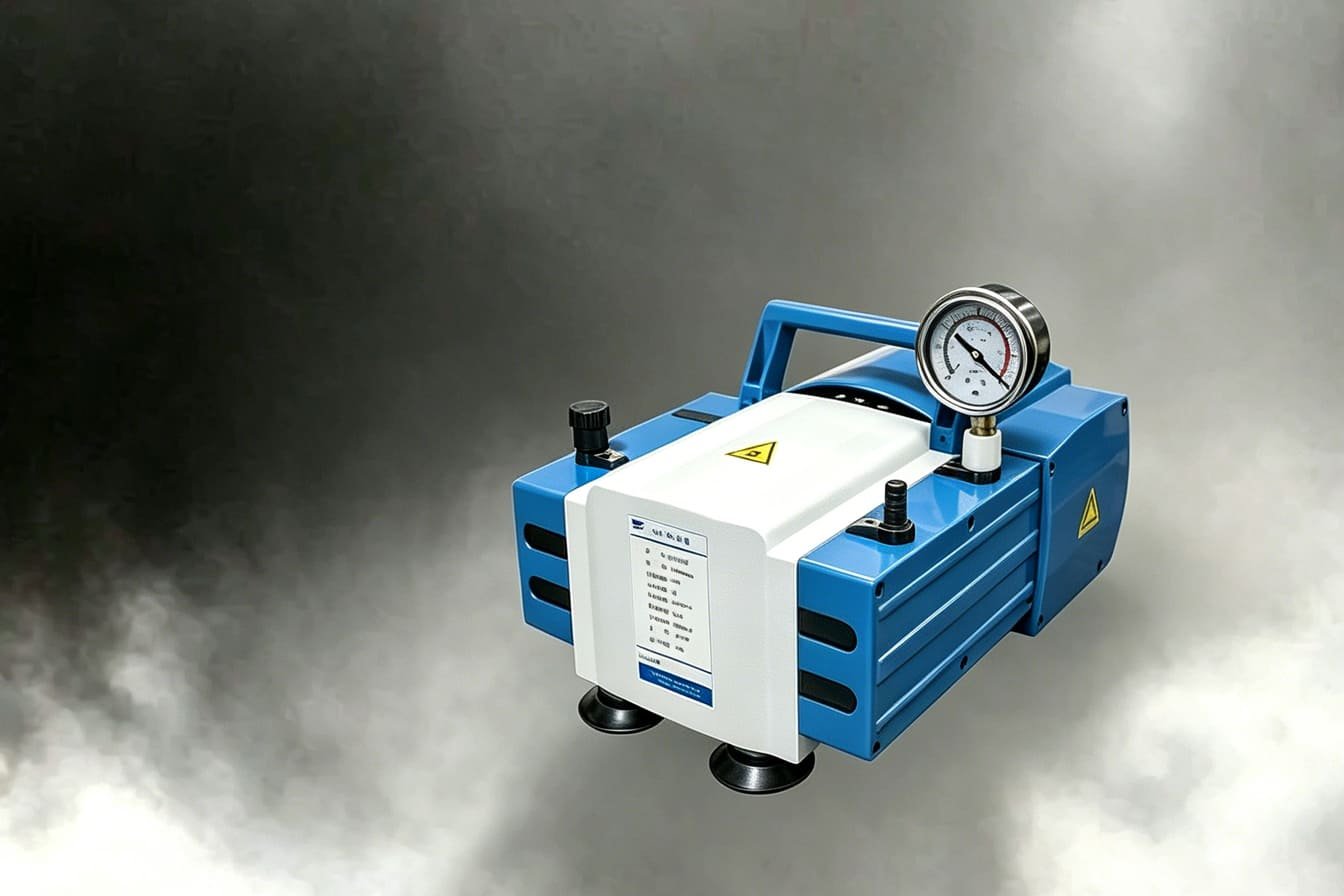
Environmental Monitoring
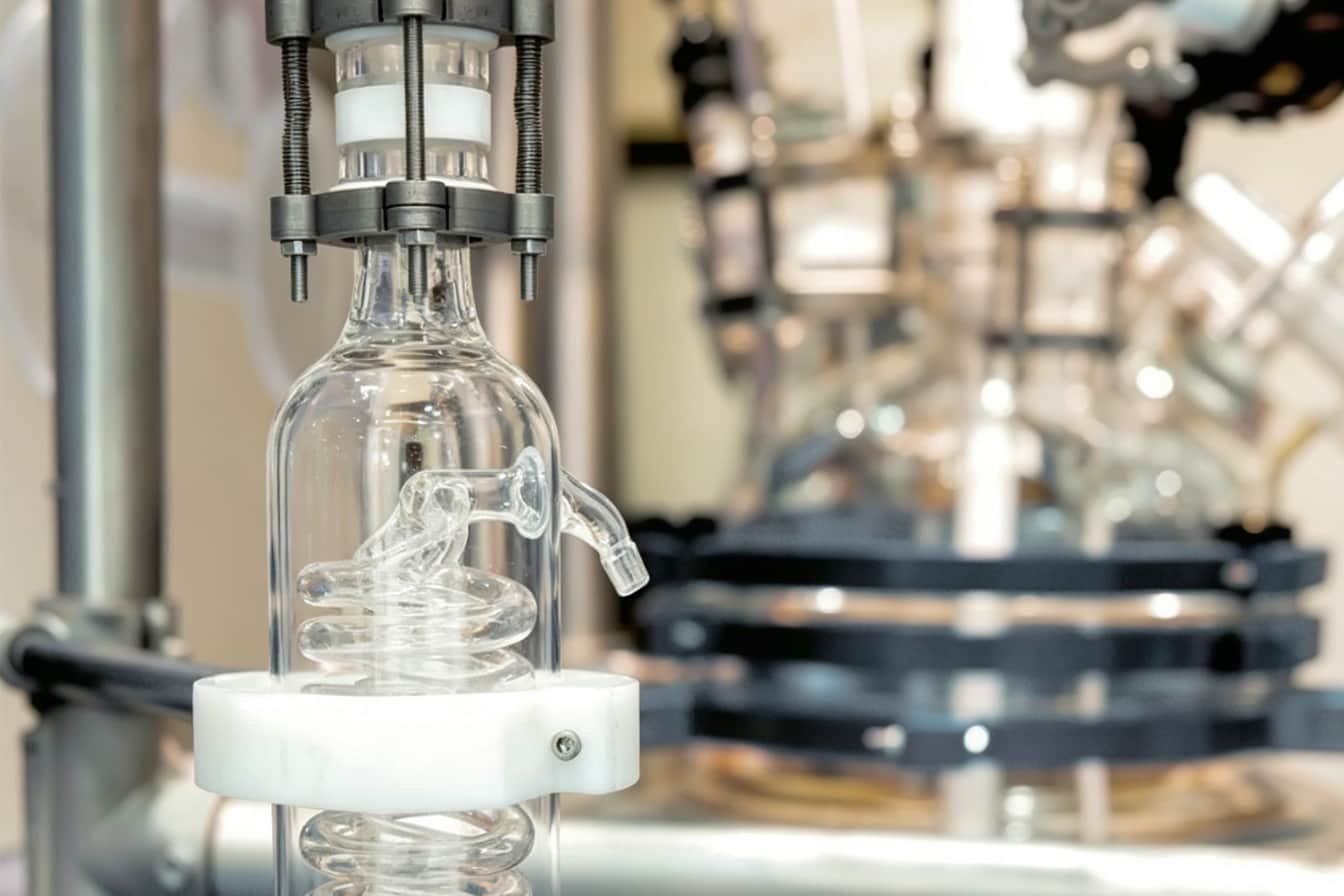
Reactors & Synthesis
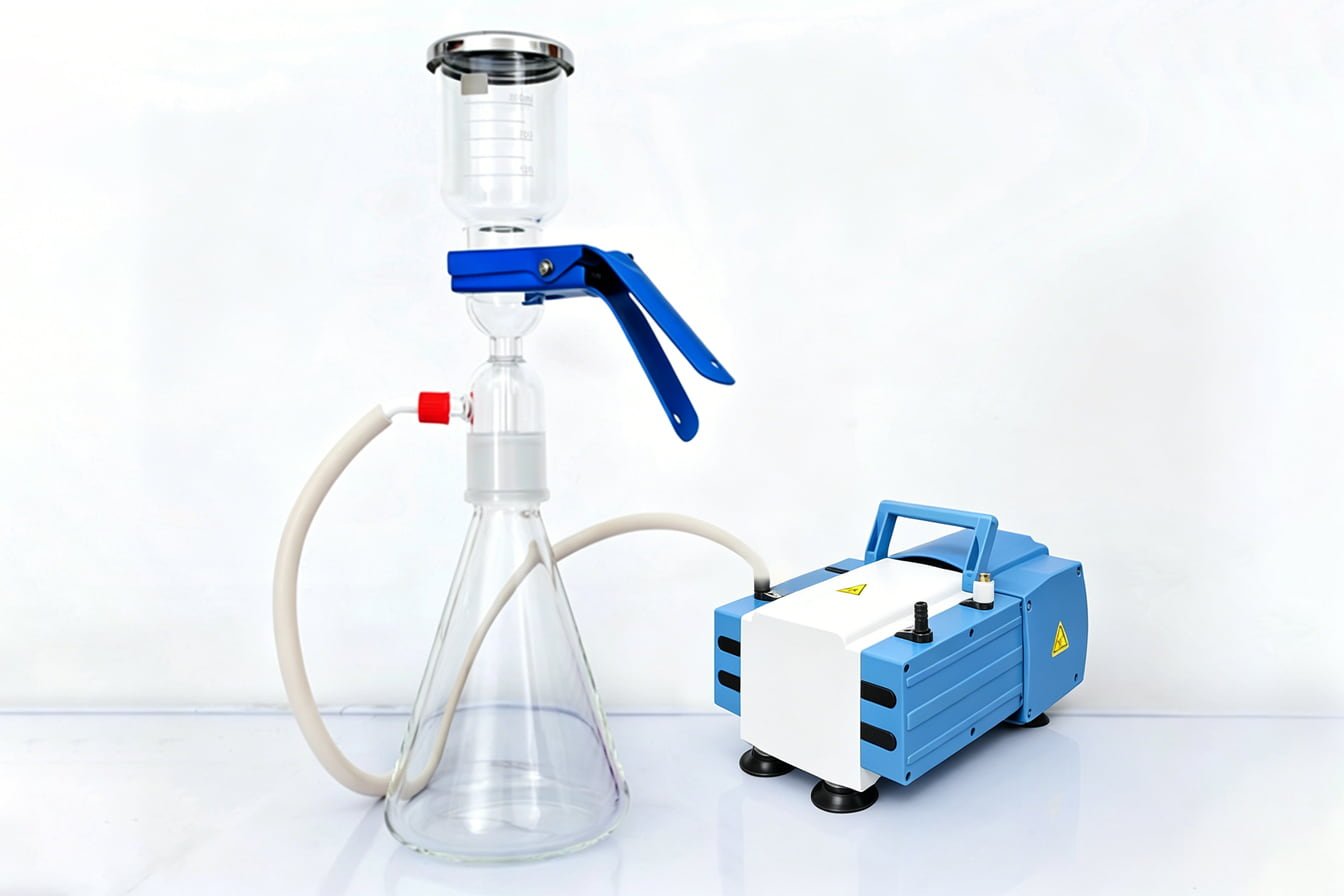
Filtration & Degassing
The Definitive Sourcing Guide
Table of Contents
- Definition: What is a Chemically Resistant Diaphragm Pump?
- Working Principle: How Dry Vacuum Technology Works
- Main Applications: Where These Pumps are Essential
- Core Benefits: Why Choose Diaphragm Technology?
- Comparison: Diaphragm Pumps vs. Rotary Vane Pumps
- Efficiency: Impact of Vacuum Depth on Solvent Recovery
- Our Edge: FFKM Seals, Daikin Diaphragms, and 2 mbar Performance
- Strategic Sourcing: How to Audit the Bill of Materials (BOM)
- Conclusion: Strategic Procurement Recommendations
Definition: What is a Chemically Resistant Diaphragm Pump?
A chemically resistant diaphragm pump is an oil-free, dry-running positive displacement pump specifically engineered to handle aggressive, corrosive, and volatile gases (e.g., HCl, TFA, and concentrated organic solvent vapors).
Its defining feature is a Full-Fluoropolymer Gas Path. Every internal component in contact with the media is made from high-performance materials:
PTFE (Polytetrafluoroethylene): Used for the pump head and gas channels.
FFKM (Perfluoroelastomer): Used for critical internal seals and valves.
PTFE-Bonded Diaphragms: A composite structure providing chemical inertness and mechanical strength.
This allows the pump to operate stably for long periods in environments with strong acids, bases, and organic solvents, without internal corrosion or sample contamination.
Working Principle: How Dry Vacuum Technology Works
The diaphragm pump generates vacuum via the reciprocating motion of a flexible membrane (diaphragm). The cycle involves two phases:
Intake Phase (Expansion): The connecting rod pulls the diaphragm downward → chamber volume increases → pressure drops → the inlet valve opens, drawing gas/vapor into the head.
Exhaust Phase (Compression): The rod pushes the diaphragm upward → volume decreases → pressure rises → the exhaust valve opens, expelling the gas from the pump.
The “Dry” Advantage: The diaphragm creates a physical hermetic seal between the mechanical drive (motor/bearings) and the gas path. This ensures a 100% oil-free vacuum, preventing sample contamination and oil-mist emissions.
Main Applications: Where These Pumps are Essential
These pumps are the workhorses of the chemical, pharmaceutical, and research sectors:
Rotary Evaporation: Low-temperature concentration and recovery of solvents.
Vacuum Distillation: Precise separation of multi-component chemical mixtures.
Centrifugal Concentration (SpeedVacs): Rapid evaporation of VOCs in analytical research.
Filtration & Desiccation: Solid-liquid separation involving acidic or basic solutions.
Gas Sampling: Transporting corrosive gases to analytical instruments without cross-contamination.
Core Benefits: Why Choose Diaphragm Technology?
Maximum Corrosion Resistance: The PTFE/FFKM flow path is immune to strong oxidizers and organic solvents.
Zero Contamination: Dry operation protects sample purity and eliminates oil-mist exhaust in the lab.
Low Maintenance: No oil changes required; non-contacting valves; typically only requires a diaphragm replacement every 12–24 months.
Ergonomic Operation: Engineered for low noise (<45–50 dB) and low vibration, suitable for benchtop use.
Comparison: Diaphragm Pumps vs. Rotary Vane Pumps
| Feature | Chemical-Duty Diaphragm Pump | Oil-Sealed Rotary Vane Pump |
|---|---|---|
| Media Contact | Full Fluoropolymer (Corrosion-Proof) | Metal Components (Corrosion-Prone) |
| Ultimate Vacuum | 2–6 mbar, depending on model | 10⁻³ mbar or lower |
| Corrosion Resistance | Excellent (full PTFE or PVDF + FFKM seals) | Poor (oil degrades quickly) |
| Operating Cost | Low (diaphragm replacement every 2 years) | High (frequent oil changes and monitoring) |
| Unattended Operation | Yes, very reliable | Risky (due to potential oil depletion or emulsification) |
| Environment | Clean, oil-free exhaust | Significant oil-mist and waste oil production |
| Typical Lifetime | 8–10 years (with diaphragm changes) | 3–5 years (requires overhaul) |
Selection advice
For lab evaporation / filtration / drying: The diaphragm pump is the most cost‑effective and trouble‑free choice.
For high vacuum (<0.01 mbar) with non‑corrosive media: A rotary vane pump is still irreplaceable.
Efficiency: Impact of Vacuum Depth on Solvent Recovery
-
The “Ultimate Vacuum” (measured in Pa or mbar) directly dictates the boiling point of your solvent.
-
Standard Vacuum (7 – 10 mbar): Efficient for Water, Ethanol, and Methanol.
-
High Vacuum (2 – 6 mbar): Required for high-boiling point solvents like DMF or DMSO, and for heat-sensitive samples requiring low-temperature concentration.
Our units achieve a measured ultimate vacuum of 200 Pa (2 mbar), ensuring faster evaporation cycles and protection of delicate compounds.
-
Our Edge: FFKM Seals, Daikin Diaphragms, and 2 mbar Performance
We differentiate our engineering through three critical hardware upgrades that exceed standard market offerings:
-
Upgrade I: FFKM (Perfluoroelastomer) Seals vs. Standard FKM
-
Competitors: Use FKM (Fluoro-rubber). FKM swells and hardens when exposed to ethers (THF), ketones (Acetone), or esters.
-
Our Solution: Genuine FFKM valves and seals. FFKM resists virtually all chemicals, maintaining its seal integrity and dimensional stability for 3-5 times longer than FKM.
-
-
Upgrade II: Daikin (Japan) PTFE-Composite Diaphragms
-
The diaphragm is the most stressed component. We utilize Daikin’s specialized materials:
-
PTFE Barrier: Provides the chemical shield.
-
EPDM/Fabric Core: Provides superior mechanical flexibility and fatigue resistance.
-
-
Result: A measured operational lifespan over 300% longer than generic alternatives.
-
-
Upgrade III: Precision-Engineered 2 mbar Ultimate Vacuum
-
Through high-precision CNC machining of the pump head to minimize “dead volume”:
-
Performance: Our pumps achieve an ultimate vacuum of 2 mbar – 6 mbar.
-
Value: Exceeds the performance of premium European brands while maintaining a highly competitive cost structure.
-
-
Strategic Sourcing: How to Audit the Bill of Materials (BOM)
When evaluating Chinese manufacturers, look beyond the price tag. A “cheap” pump often hides inferior materials that lead to premature failure. Conduct a technical audit based on these five critical criteria:
Seal Material Integrity: Do not settle for “Fluoro-rubber” (FKM). Request written confirmation of FFKM (Perfluoroelastomer). FFKM is the only elastomer capable of maintaining structural integrity when exposed to aggressive organic solvents like THF or Acetone.
Pump Head Construction: Verify if the head is Solid Machined PTFE. Many budget suppliers use PTFE-coated aluminum; these coatings eventually delaminate or “peel” due to thermal expansion and chemical attack, leading to catastrophic leaks.
Diaphragm Traceability: Inquire about the raw material source. Premium manufacturers use branded composites (e.g., Daikin or DuPont). These materials offer superior fatigue resistance and are essential for maintaining vacuum depth over millions of cycles.
Motor Grade & Duty Cycle: Ensure the motor is rated for 24/7 continuous industrial operation. Look for high-efficiency motors with low temperature rise; excessive heat is the primary killer of diaphragm elastic properties.
Explosion-Proof (Ex) Compliance: If your process involves flammable vapors (e.g., Ether, Hexane), a standard motor is a safety hazard. You must verify the Ex-proof certification (ATEX, IECEx, or CNEx). A true explosion-proof pump requires an Ex-rated motor and, in many cases, antistatic wetted components.
Lifecycle Support: Confirm the availability of Pre-packaged Maintenance Kits (replacement diaphragms, valves, and O-rings). A manufacturer that does not stock these kits is selling a “disposable” product rather than a long-term laboratory asset.
Conclusion: Strategic Procurement Recommendations
For applications involving strong acids, bases, or organic solvents, a chemically resistant diaphragm pump is the only viable choice. While the initial purchase price is higher than standard pumps, the Total Cost of Ownership (TCO) is significantly lower due to the absence of oil changes and minimized downtime.
FAQs
We provide a 12-month limited warranty for our distributors. This warranty becomes effective from the loading date as indicated on the Bills of Lading for sea shipments.
For other delivery methods, the warranty period starts from the shipment date from our factory.
Typically, we take about 3 to 4 weeks. But if we have everything ready in stock, we might get it to you in just 2 weeks!
Our minimum order (MOQ) requirement is set at USD 4,000 to adequately cover fixed logistics and handling expenses.
Nevertheless, we welcome orders of smaller quantities, even as little as one piece, from new customers for testing purposes, provided that the freight expenses are borne by the client.
Absolutely, we offer OEM services to meet your branding requirements, including custom nameplates and tailored packaging solutions.
Remarkbl stands as China’s premier and most seasoned manufacturer of oil-sealed rotary vane vacuum pumps. As its strategic partner, Elitevak manages all export activities efficiently.
We prefer wire transfers (T/T) – 30% upfront and the balance before we ship your order. If we’re racing against time and the lead time is under 3 weeks, we’d appreciate full payment upfront. It just helps speed things up!