
Stainless Steel, Aluminum, or Acrylic: Which Material Should You Choose for Your Next Vacuum Chamber?
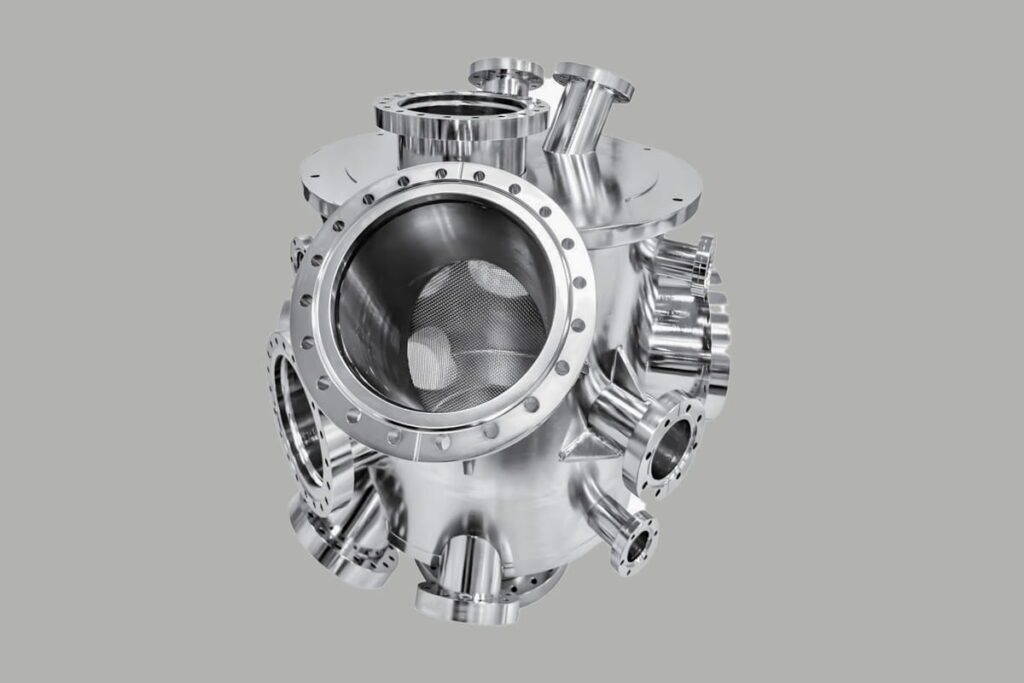
You’re designing a critical process, but your vacuum pump keeps hitting an invisible wall, unable to reach the deep vacuum you need. This frustrating, time-wasting problem often isn’t the pump; it’s the chamber material itself, slowly bleeding gas and sabotaging your work. The best material is a direct function of your target vacuum level. Stainless […]
What is a Dry Rotary Vane Vacuum Pump?

You need a clean, reliable vacuum, but you’re tired of the messy maintenance and contamination risks that come with oil-sealed pumps. You’ve heard about "dry" pumps, but you’re skeptical. How can it possibly work without destroying itself? A dry rotary vane pump is not magic; it’s a feat of material science. It uses self-lubricating graphite […]
Is a Dirty Filter Killing Your Vacuum Pump’s Performance?
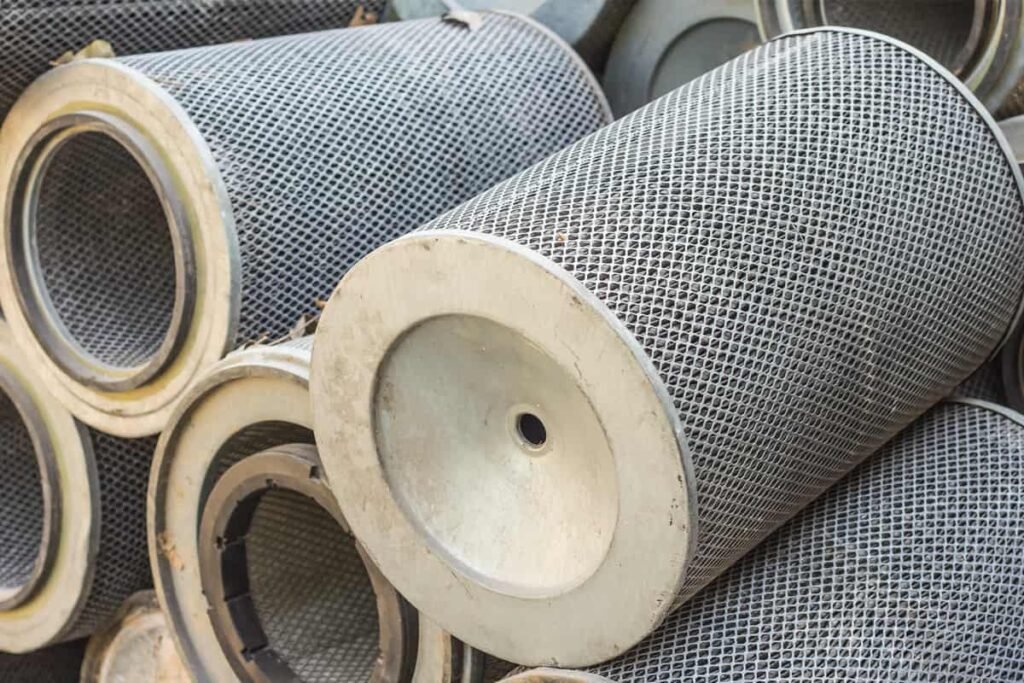
Your pump seems slow and noisy, and you can’t hit the vacuum levels you need. This frustration costs you time and money, and you’re worried the pump itself is failing. Yes, a dirty or clogged filter is a very common cause of poor vacuum pump performance. It restricts airflow, forcing the pump to work harder, […]
Is Your Rotary Vane Pump Living Up to Its Full Lifespan?

Worried about your rotary vane pump’s reliability or early failure? Ignoring essential maintenance and operational factors can drastically shorten its life. I will reveal what truly determines your pump’s long-term survival and how to maximize it. A rotary vane pump’s lifespan is significantly influenced by its operational conditions, maintenance regularity, and the type of gases […]
Is Your Vacuum Pump Failing? The Critical Role of Material Selection

Are you frustrated by vacuum pump failures, or mysterious system contamination? The unseen culprit might be your pump’s materials. I will show you why material choice is critical for your system’s success. Vacuum pump materials are critical because they determine the pump’s resistance to process gases, temperature, and chemicals. Incompatible materials lead to corrosion, wear, […]
Why Is Your Vacuum Pump Losing Vacuum? How to Pinpoint & Fix Its Root Causes?

Frustrated by a vacuum pump that just can’t hold its vacuum? This common issue wastes time, impacts product quality, and can signal bigger problems brewing within your system. A vacuum pump loses vacuum due to leaks in the system or pump, contaminated oil, worn pump components, or incorrect operating procedures. Pinpointing the exact cause involves […]
Why Do Industries Still Choose Liquid Ring Vacuum Pumps Despite Their Lower Efficiency?
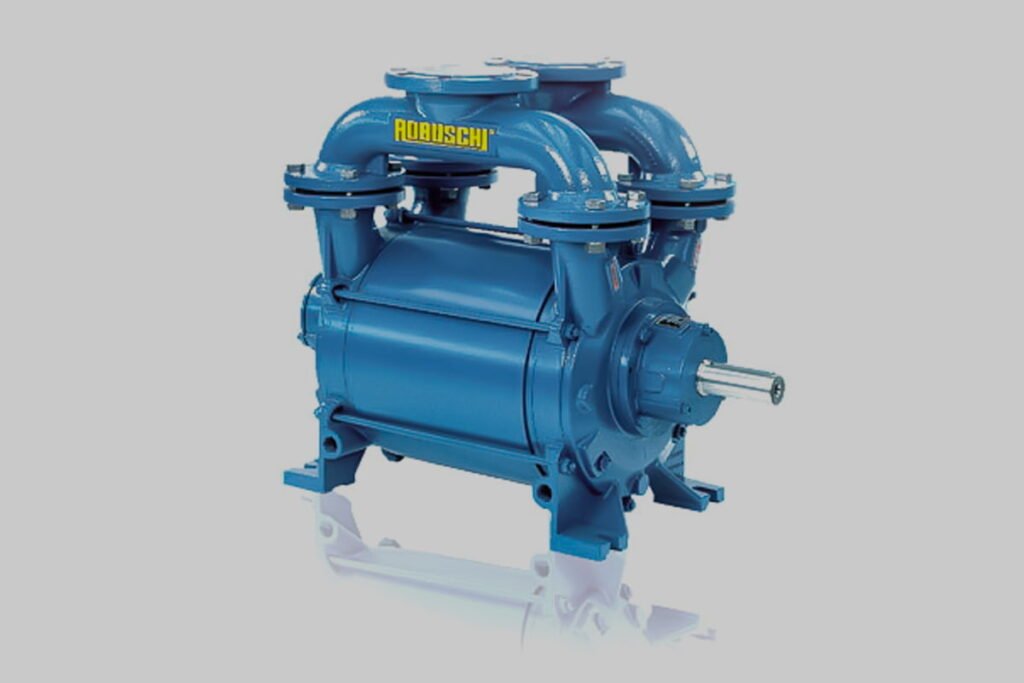
Are you wondering why liquid ring vacuum pumps remain popular even though other pumps are more energy-efficient? This common puzzle can stop you from picking the best vacuum solution. Industries still choose liquid ring vacuum pumps primarily for their unparalleled ability to handle wet, corrosive, or particle-laden gas streams, coupled with their robust construction and […]
What are the key differences between a wet dental vacuum pump and a dry dental vacuum pump?

Choosing the right dental vacuum pump can be confusing. Misunderstanding the core differences between wet and dry systems often leads to inefficient operation or unexpected maintenance. I will clarify these distinctions for you. The key differences between wet and dry dental vacuum pumps lie in their operational methods: wet pumps use water as a sealant […]
Why Is Your Laboratory Vacuum Pump So Loud, and What Proven Strategies Can Significantly Reduce Its Noise?
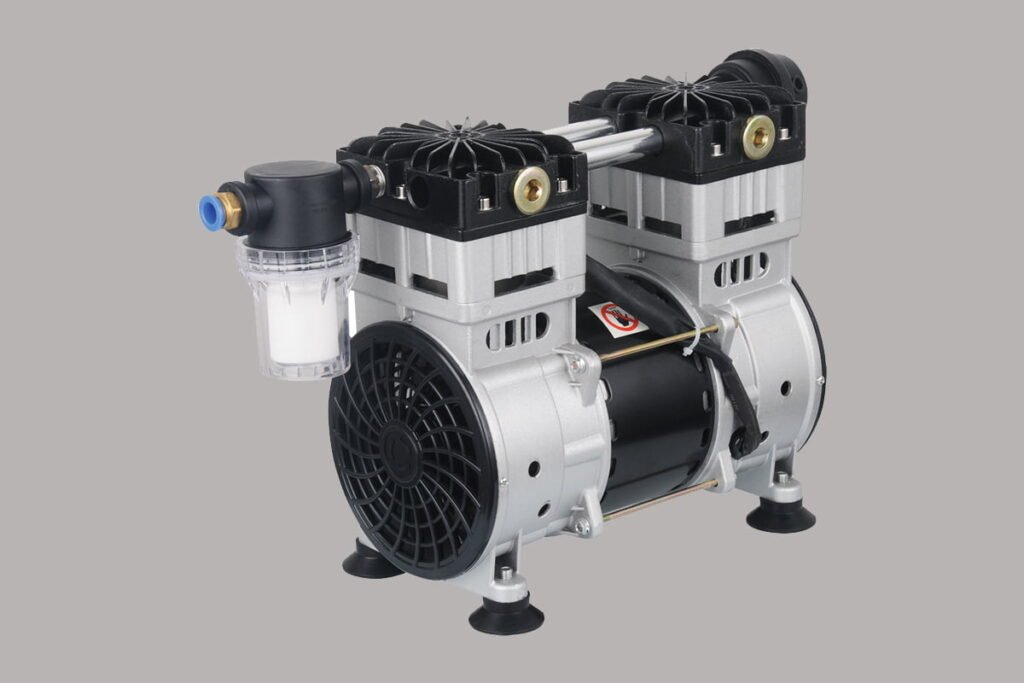
A noisy lab vacuum pump disrupts work. Constant loud sounds are irritating and signal issues. Learn how to quiet your essential lab equipment and restore peace. A laboratory vacuum pump often sounds loud due to motor vibration, worn bearings, loose components, improper installation, or simply its inherent design. Proven strategies to reduce noise include regular […]